Our trips · Travel film · Globus
Best of Eastern Europe.
Our first Globus trip, from Berlin to Budapest and back through Prague. Watch the film or explore our stops below.
Watch our travel film
Our journey on film.
14 days · Six countries · About 21 minutes
Six countries. One route.
Germany, Poland, Hungary, Austria, Slovakia and Czechia. The map connects the featured stops, including our monastery visit between Warsaw and Auschwitz; lines show the sequence, rather than the exact roads travelled.
Choose a stop to jump to its story and photos.
- Berlin
- Warsaw
- Częstochowa · Jasna Góra Monastery
- Auschwitz
- Kraków
- Budapest
- Vienna
- Bratislava
- Telč
- Prague
- Dresden
Stop 1 · Germany
Berlin: history, skyline views and a beer break.
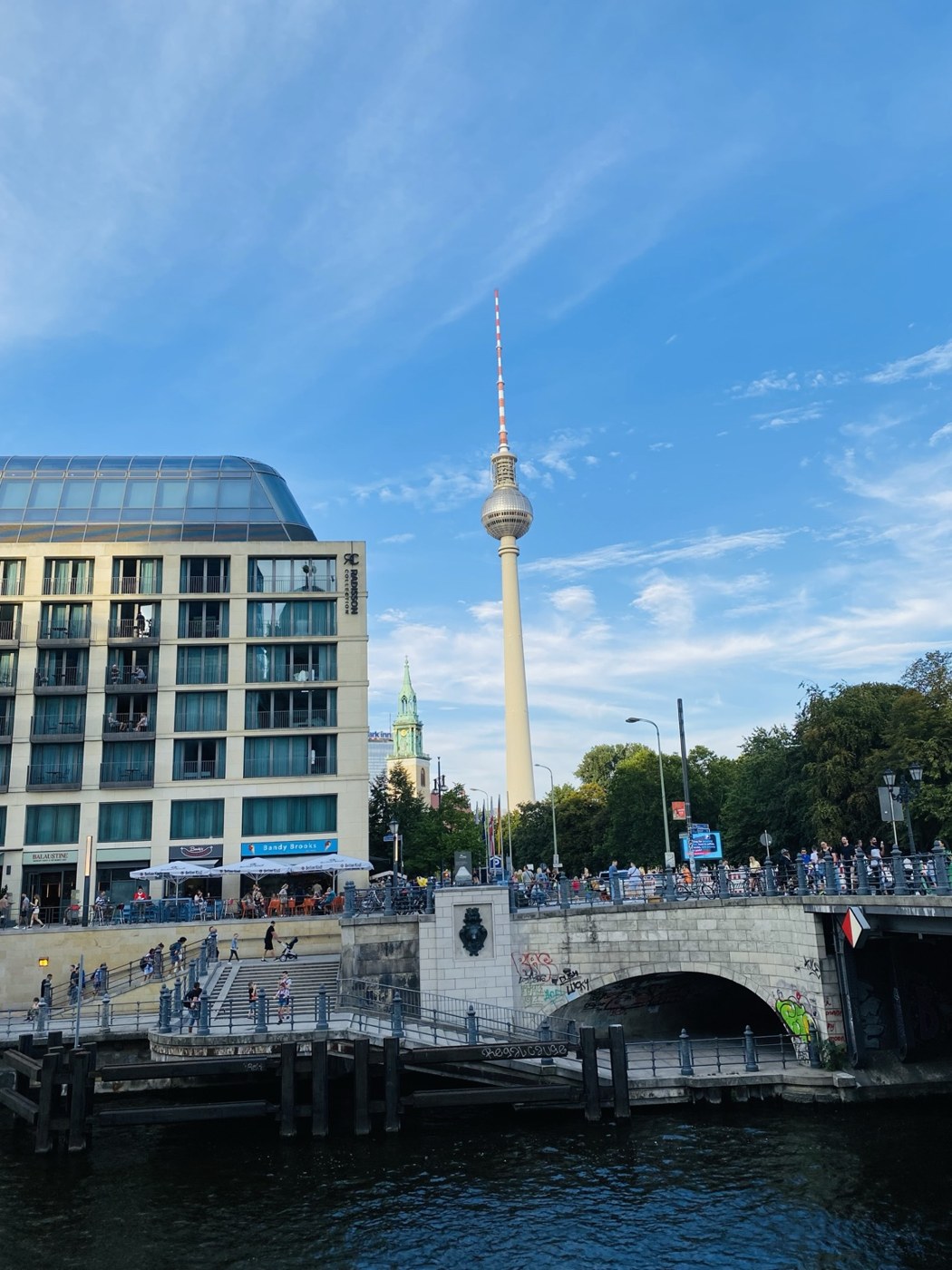
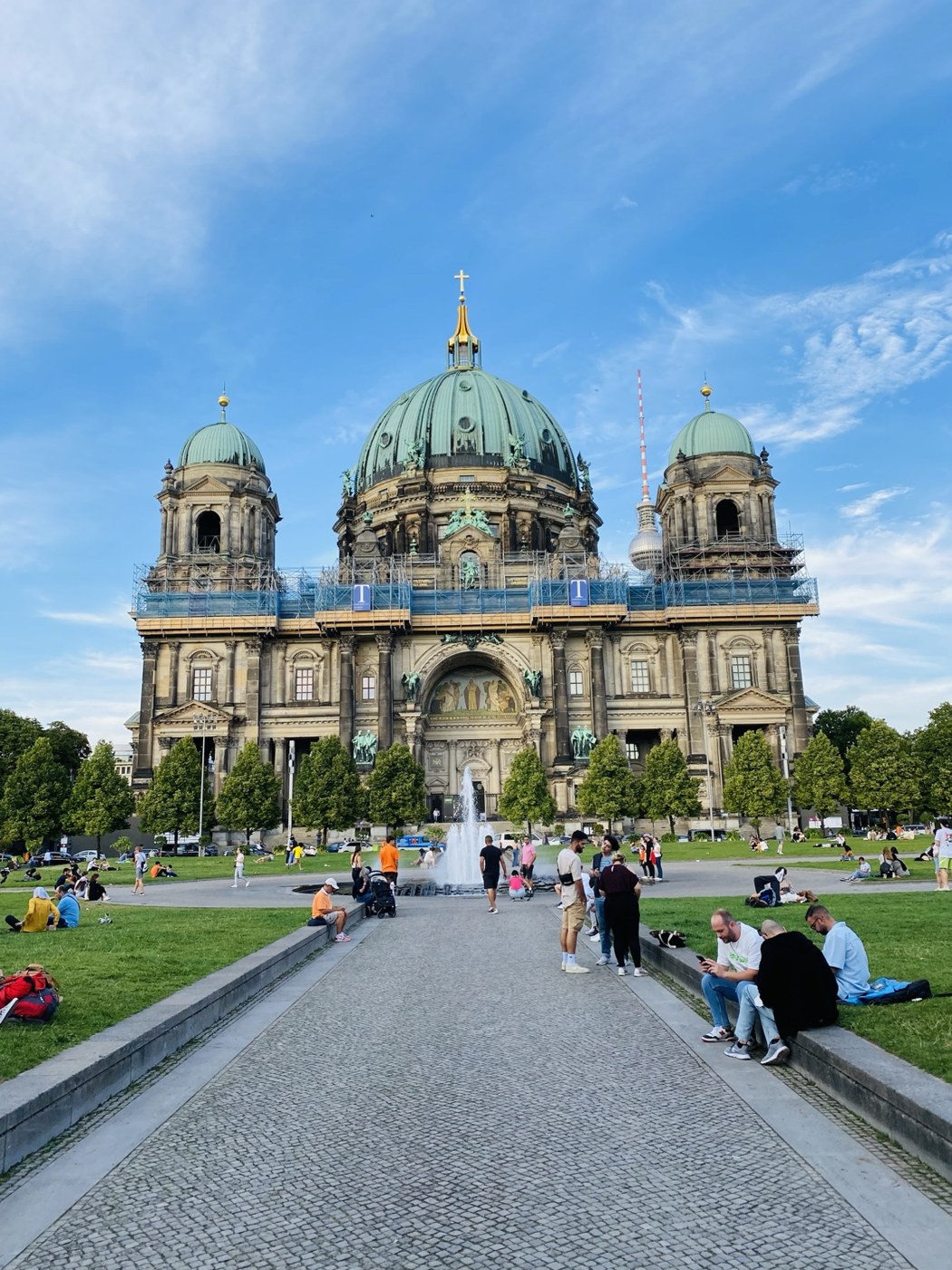
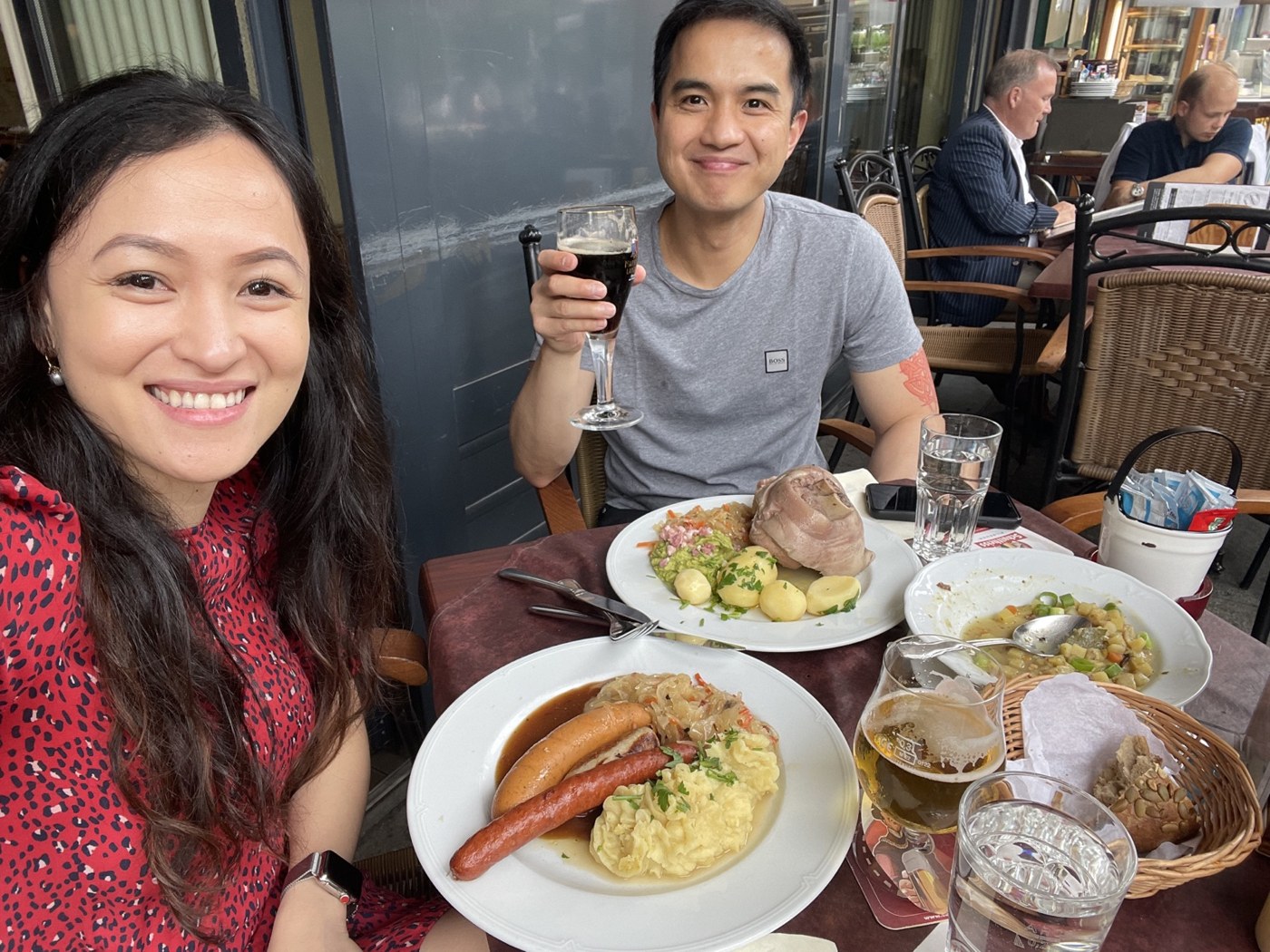
Berlin gave us plenty to take in, starting with a sobering visit to the Topography of Terror. The documentation centre stands on the former site of the Gestapo and SS leadership headquarters—a difficult but important place to learn about Nazi persecution and reflect on what happened here. We also spent time walking around the city, with sights such as Berlin Cathedral along the way. For a different perspective, we went up the Berlin TV Tower, a 368-metre landmark that puts the city’s scale into view. And between all that walking and sightseeing, we made time for bratwurst and beer.
Swipe through our photos, or tap a photo to see it in full.
What we explored in Berlin
- Topography of Terror: A sad, thought-provoking visit that helped us better understand this part of the city’s history.
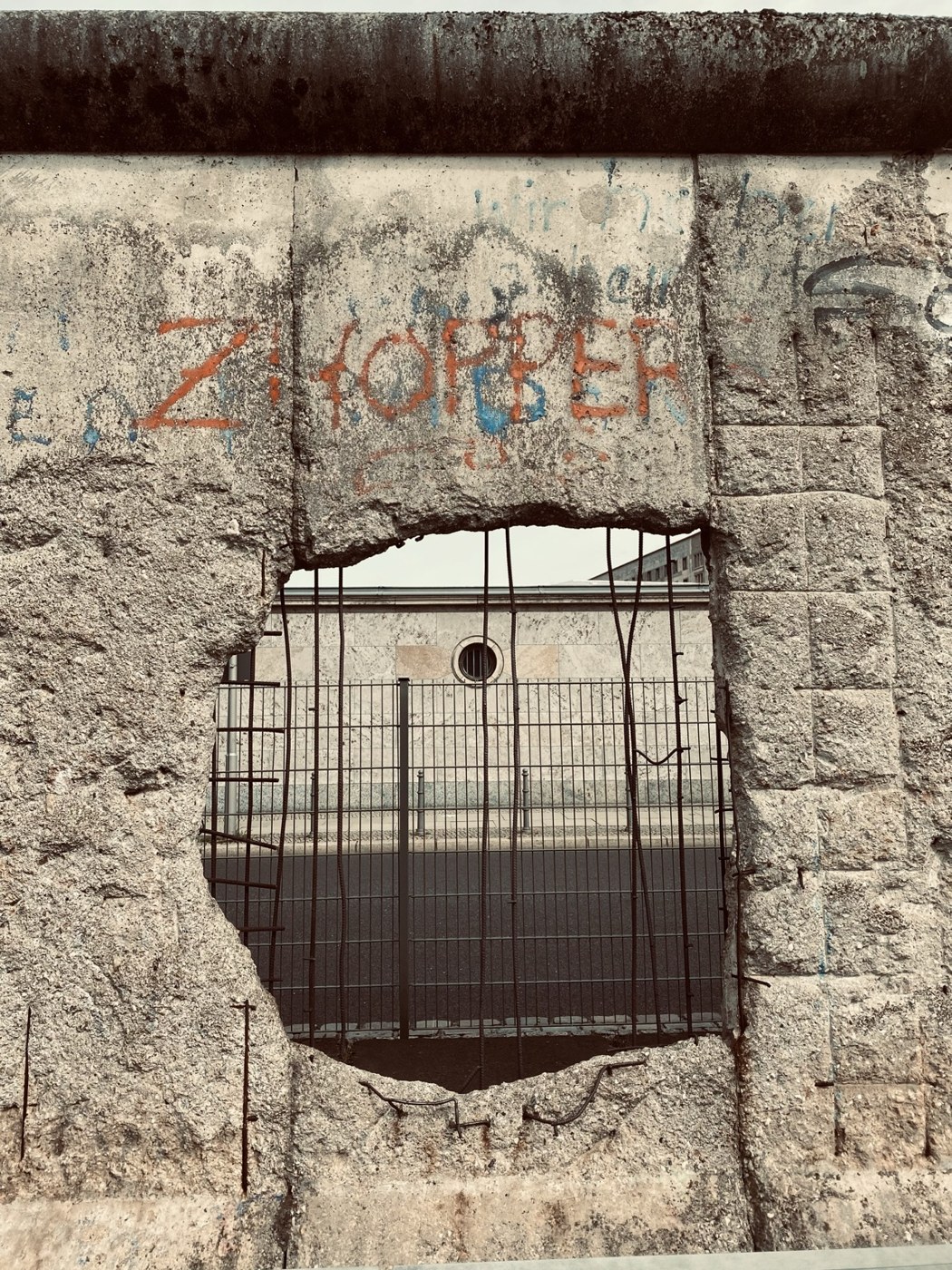
- City walks: Berlin Cathedral, riverside views and a surviving section of the Berlin Wall.
- Berlin TV Tower: We went up for a view over the city; you can also see this in our film.
- A food stop: Bratwurst and beer, with a break for our feet.
Landmark background: Topography of Terror · Berlin TV Tower.
Stop 2 · Poland
Warsaw: colourful streets and a city rebuilt.
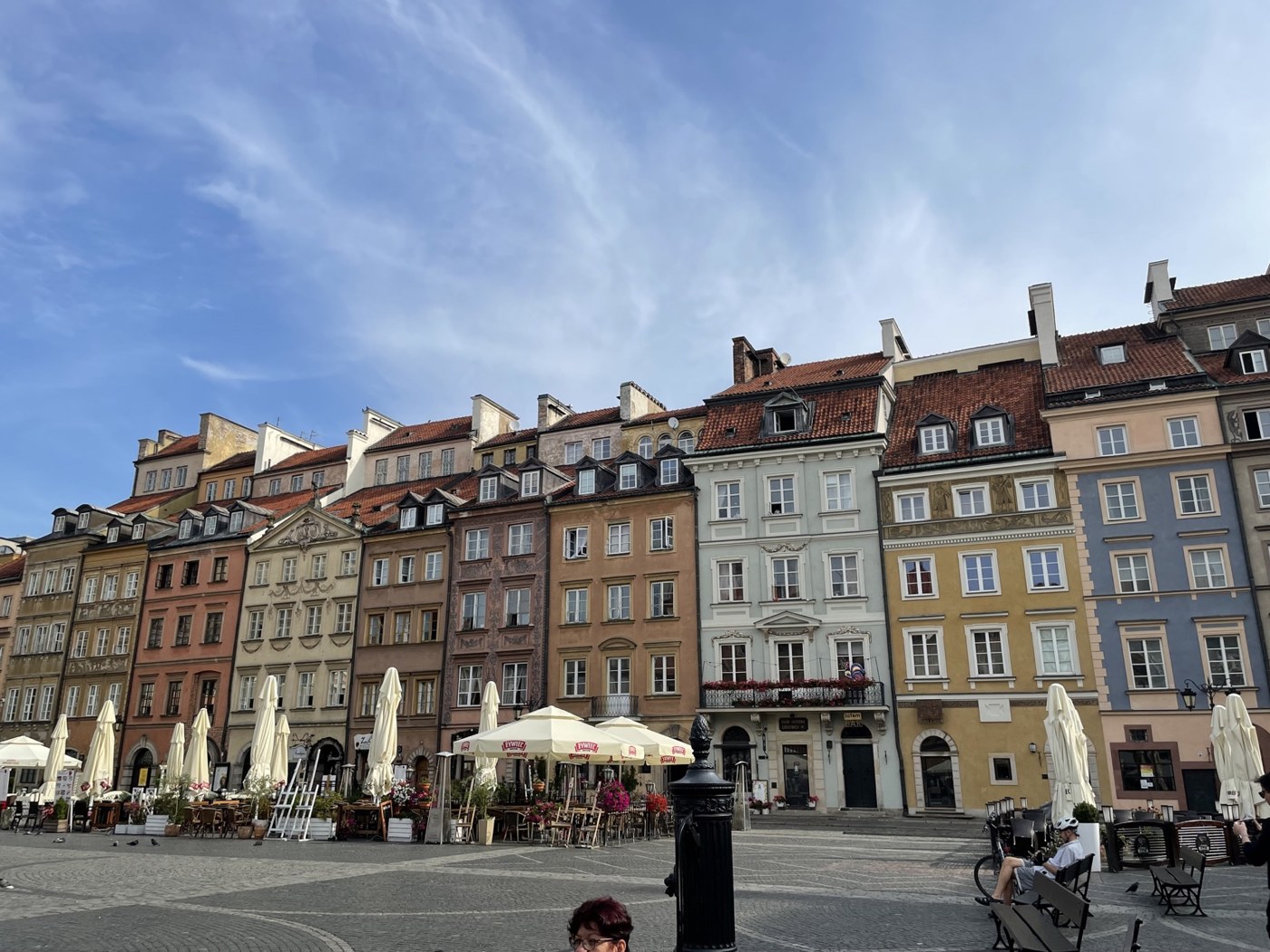
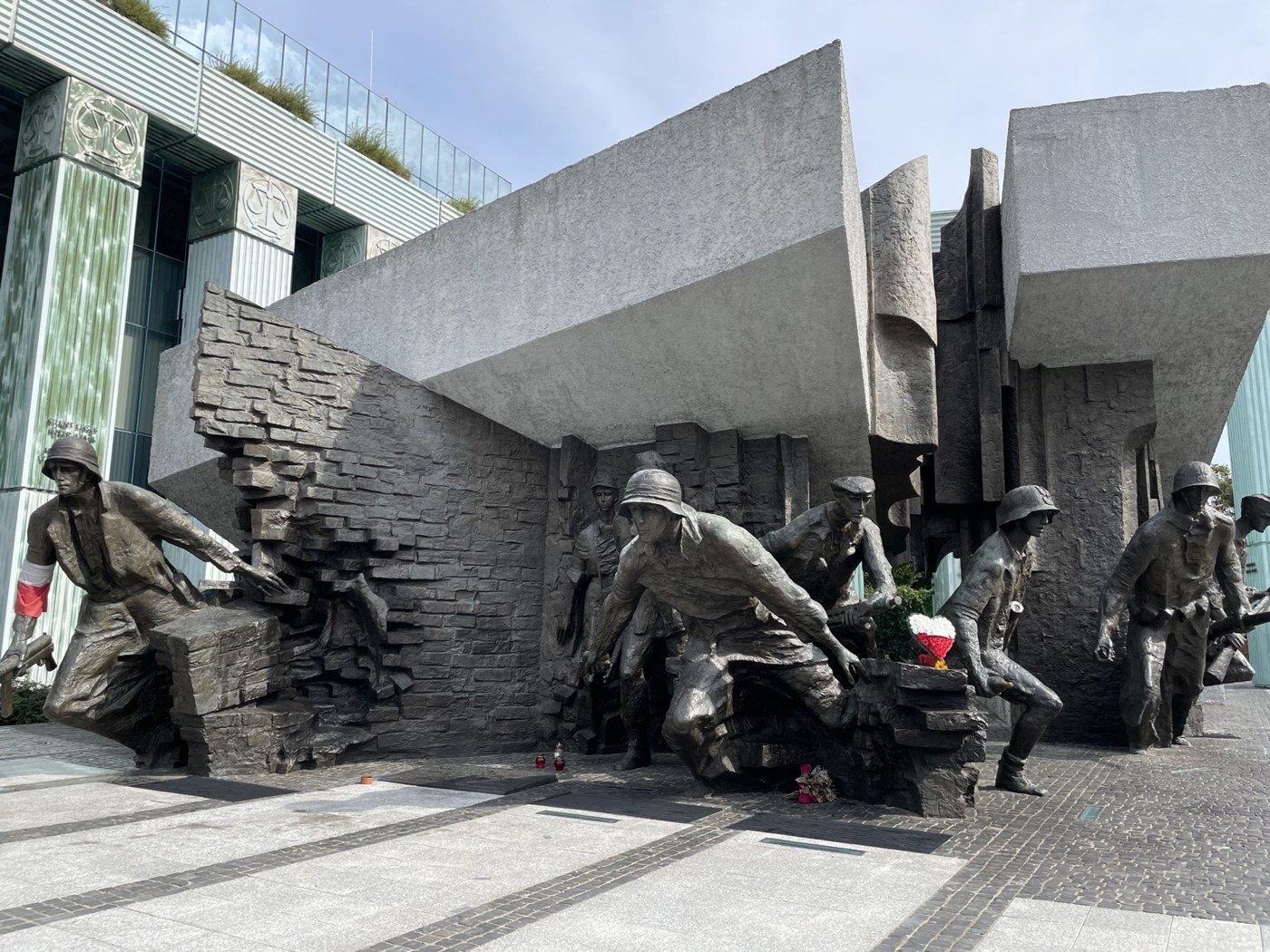
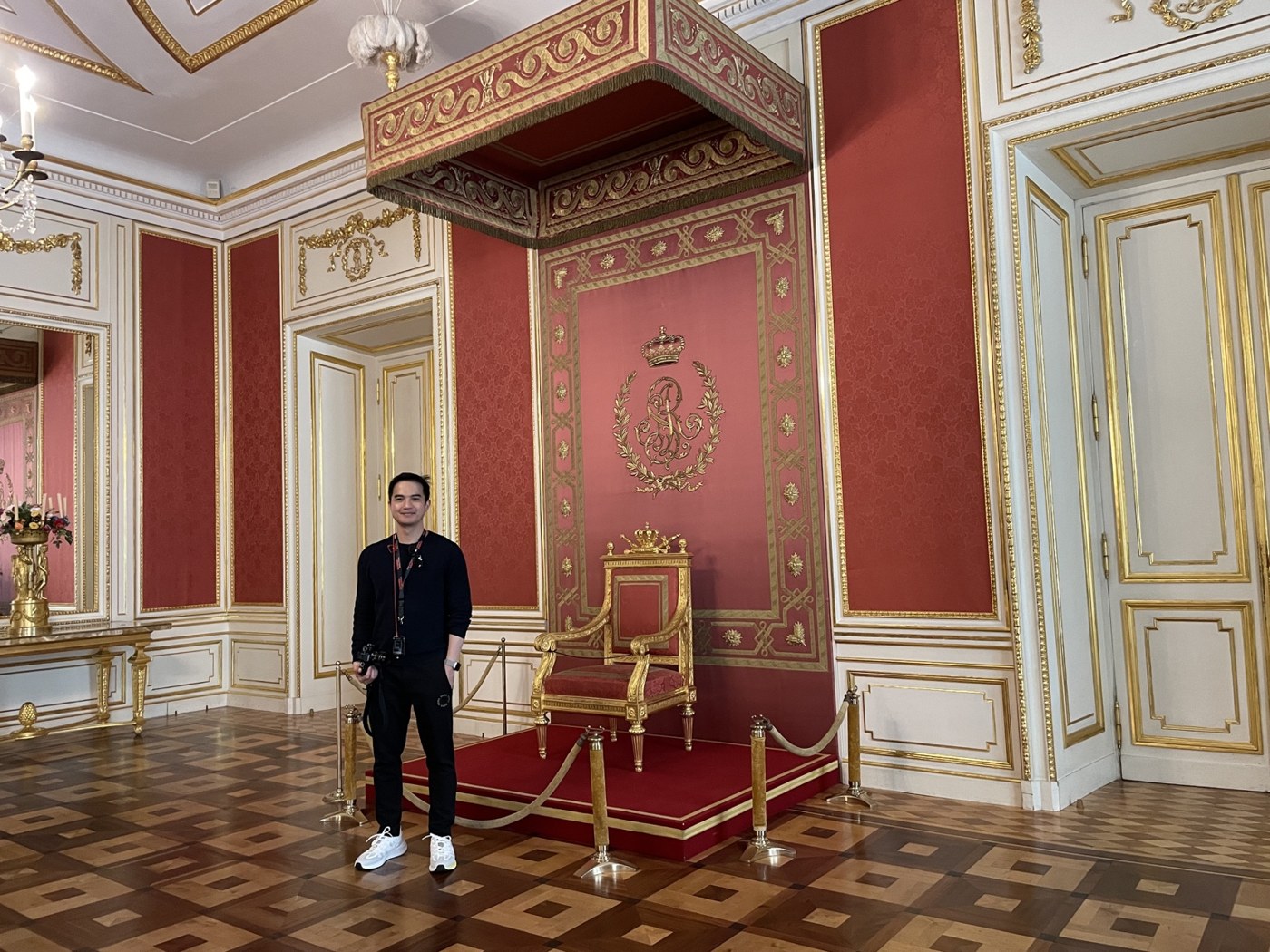
In Warsaw, we visited the Old Town Market Place, the Warsaw Uprising Monument and the Royal Castle. Behind the Old Town’s colourful facades is a remarkable story: much of the historic centre was rebuilt after the destruction of World War II, and it became a UNESCO World Heritage Site in 1980. The Warsaw Uprising Monument honours those who fought in the city’s 1944 uprising against German occupation. The Royal Castle has its own story of recovery: reconstruction began in 1971, and its restored interiors opened to the public in 1984. Our photos bring together those different sides of Warsaw, from the market square to the castle’s red-and-gold interiors.
Swipe through our photos, or tap a photo to see it in full.
What we explored in Warsaw
- Old Town Market Place: The colourful square shown in our first photo, within Warsaw’s reconstructed historic centre.
- Warsaw Uprising Monument: A memorial to the resistance fighters of 1944, with bronze figures beneath a dramatic broken structure.
- Royal Castle: A look inside the royal residence, including the ornate throne room pictured here.
Landmark background: UNESCO · Warsaw Tourism · Royal Castle.
A stop between Warsaw and Auschwitz · Poland
Częstochowa: the Black Madonna at Jasna Góra.
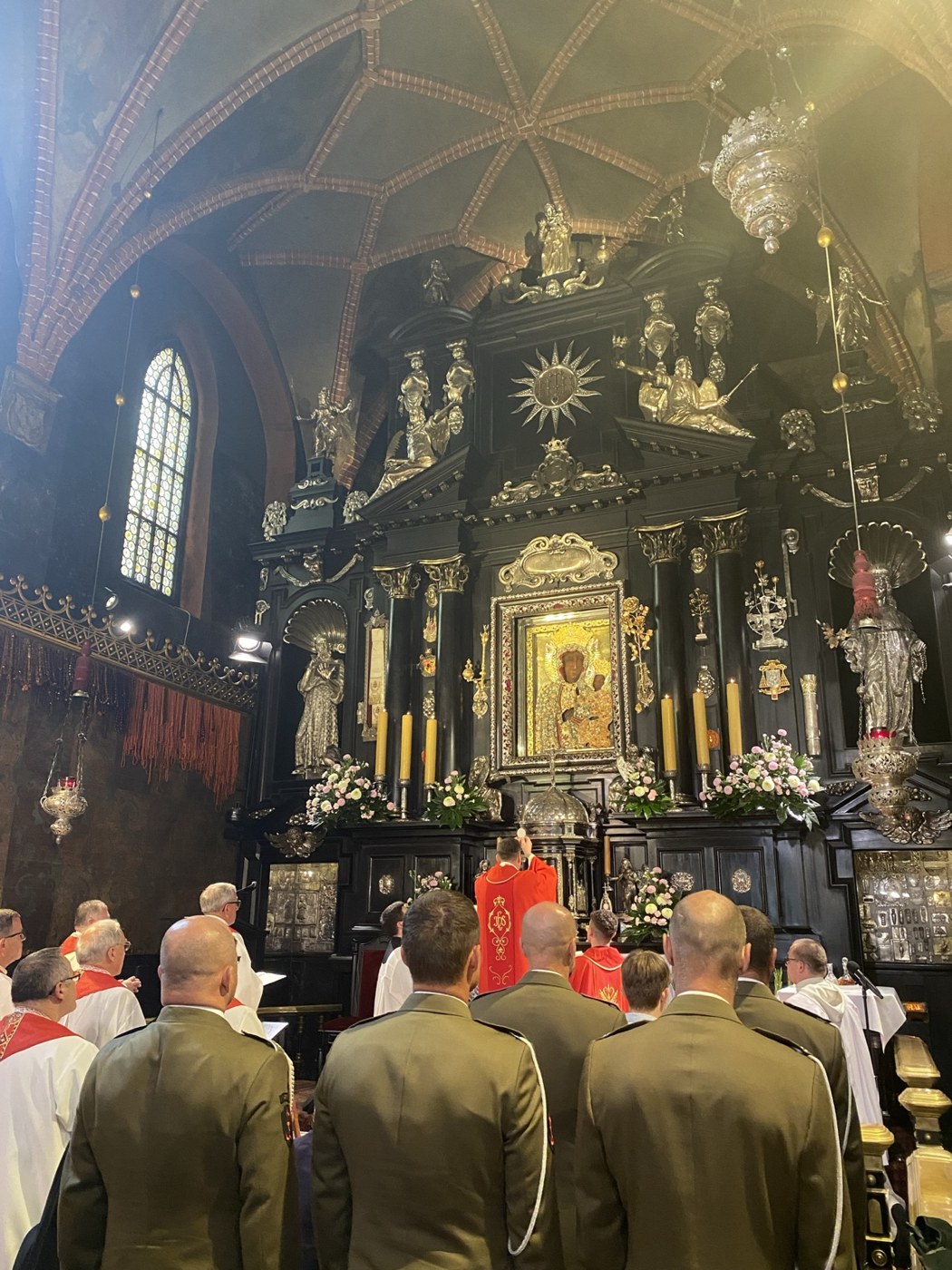
Before visiting Auschwitz, we stopped at Jasna Góra Monastery in Częstochowa and saw the Black Madonna. Also known as Our Lady of Częstochowa, the icon depicts Mary holding the infant Jesus and is housed in the monastery’s Chapel of the Miraculous Icon. Jasna Góra has been a place of pilgrimage for centuries, with the monastery founded in 1382. Its name means “Bright Mountain,” and the richly decorated basilica offers another side of the sanctuary’s architecture. Our two photos show the chapel with the icon and the basilica’s painted vaults and gilded details.
Swipe through our photos, or tap a photo to see it in full.
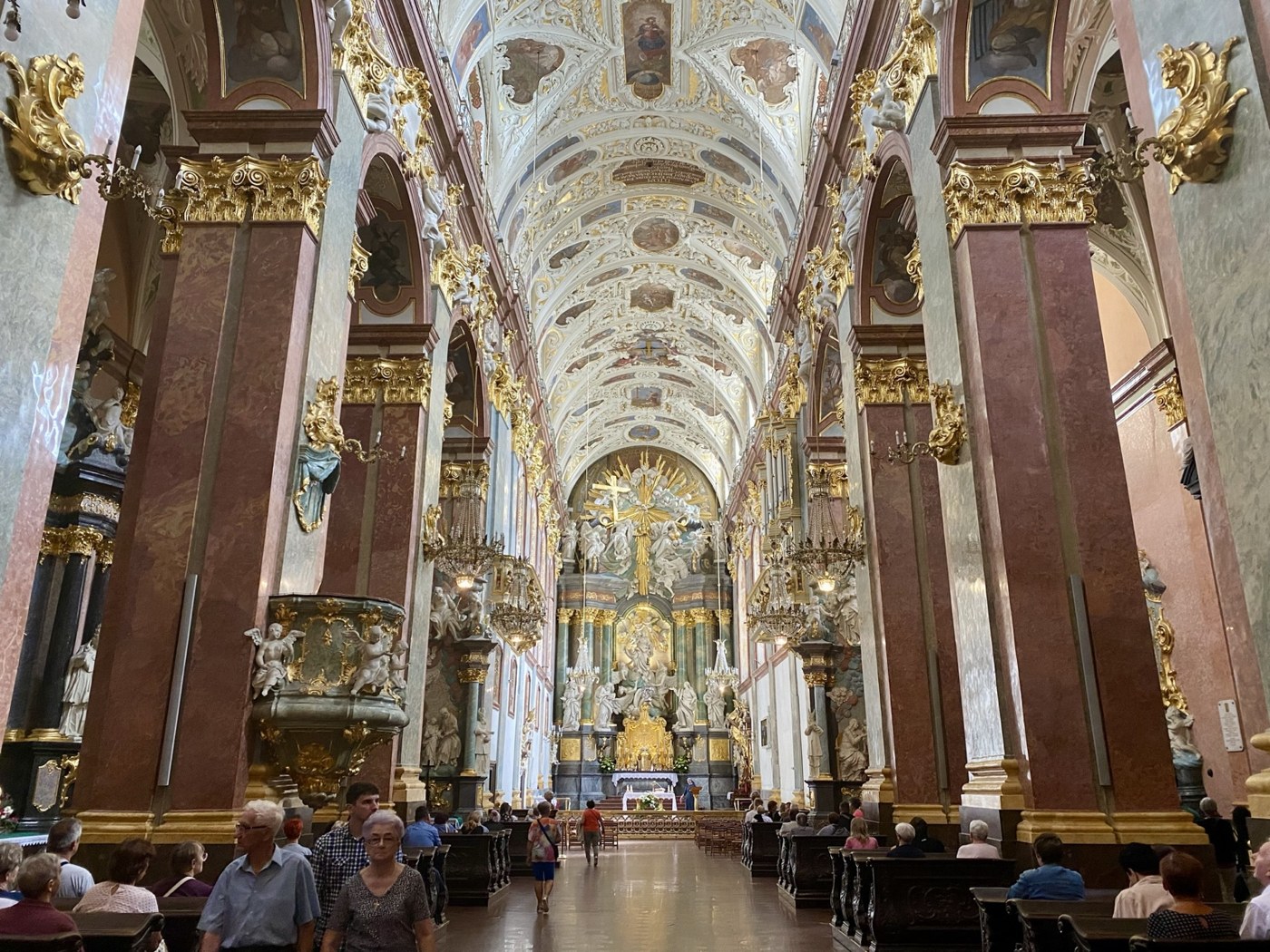
What we saw at Jasna Góra
- The Black Madonna: We saw the icon of Mary and Jesus in the chapel, a focal point for pilgrims visiting the sanctuary.
- The basilica: Painted ceilings, ornate columns and gilded decoration fill the interior shown in our second photo.
- A place of worship: This is an active religious sanctuary; give services and those praying space during your visit.
Background: Jasna Góra: the icon · Sanctuary visitor guide · Poland Tourism.
A place of remembrance · Oświęcim, Poland
Auschwitz: a visit that stays with us.
Our visit to Auschwitz was very sad, and it remains a memorable part of this journey. Established by Nazi Germany in occupied Poland in 1940, Auschwitz grew into a concentration and extermination camp complex and a central site of the Holocaust. Jewish people were its principal victims; Poles, Roma, Soviet prisoners of war and other persecuted groups also suffered and were killed here. Today, the memorial and museum preserve the site and document the lives and suffering of those imprisoned and murdered. We have chosen to share only a few photographs from our visit, leaving out the more sensitive images we took.
Our photographs from the memorial and museum. Tap a photo to view it in full.
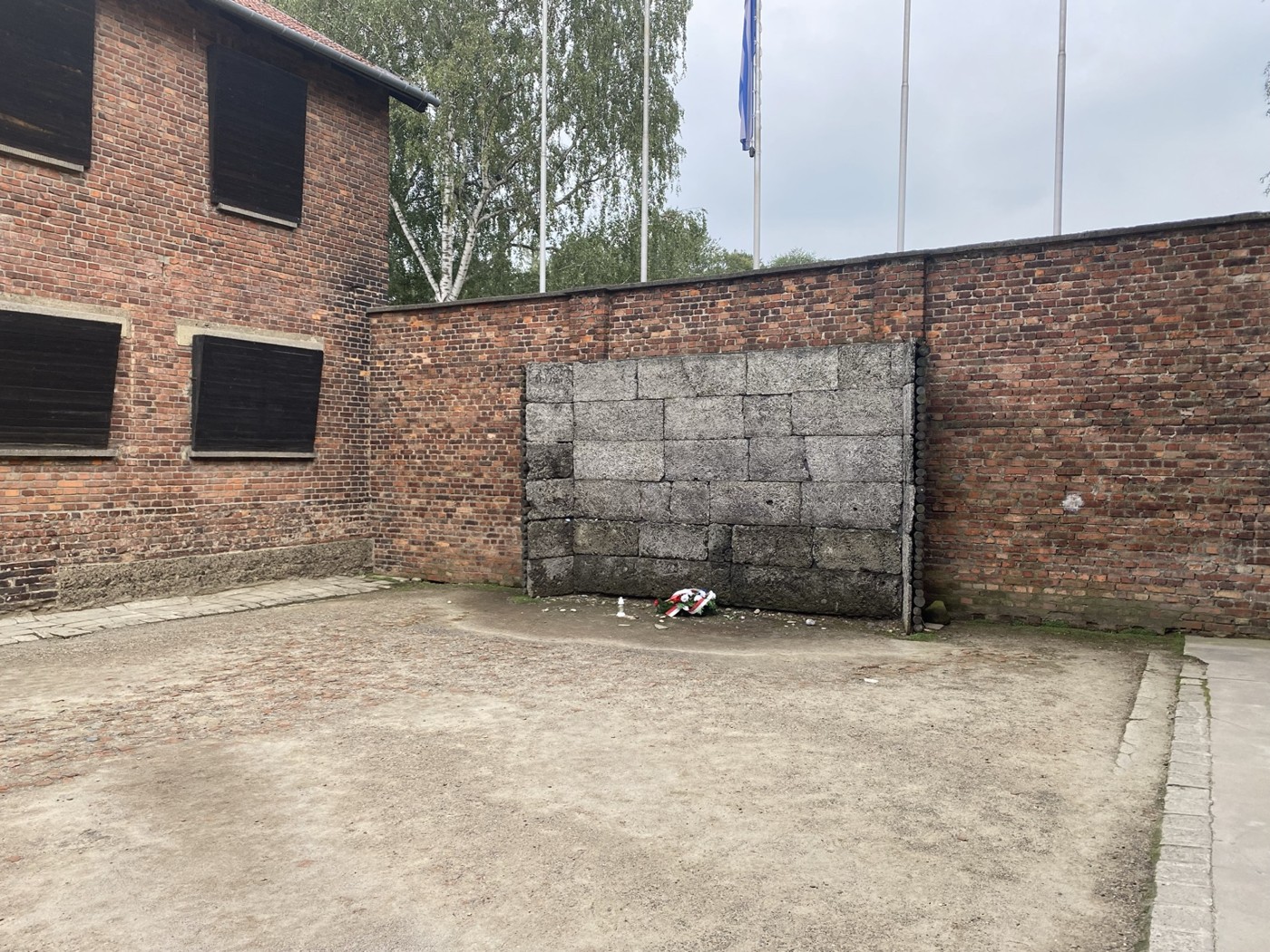
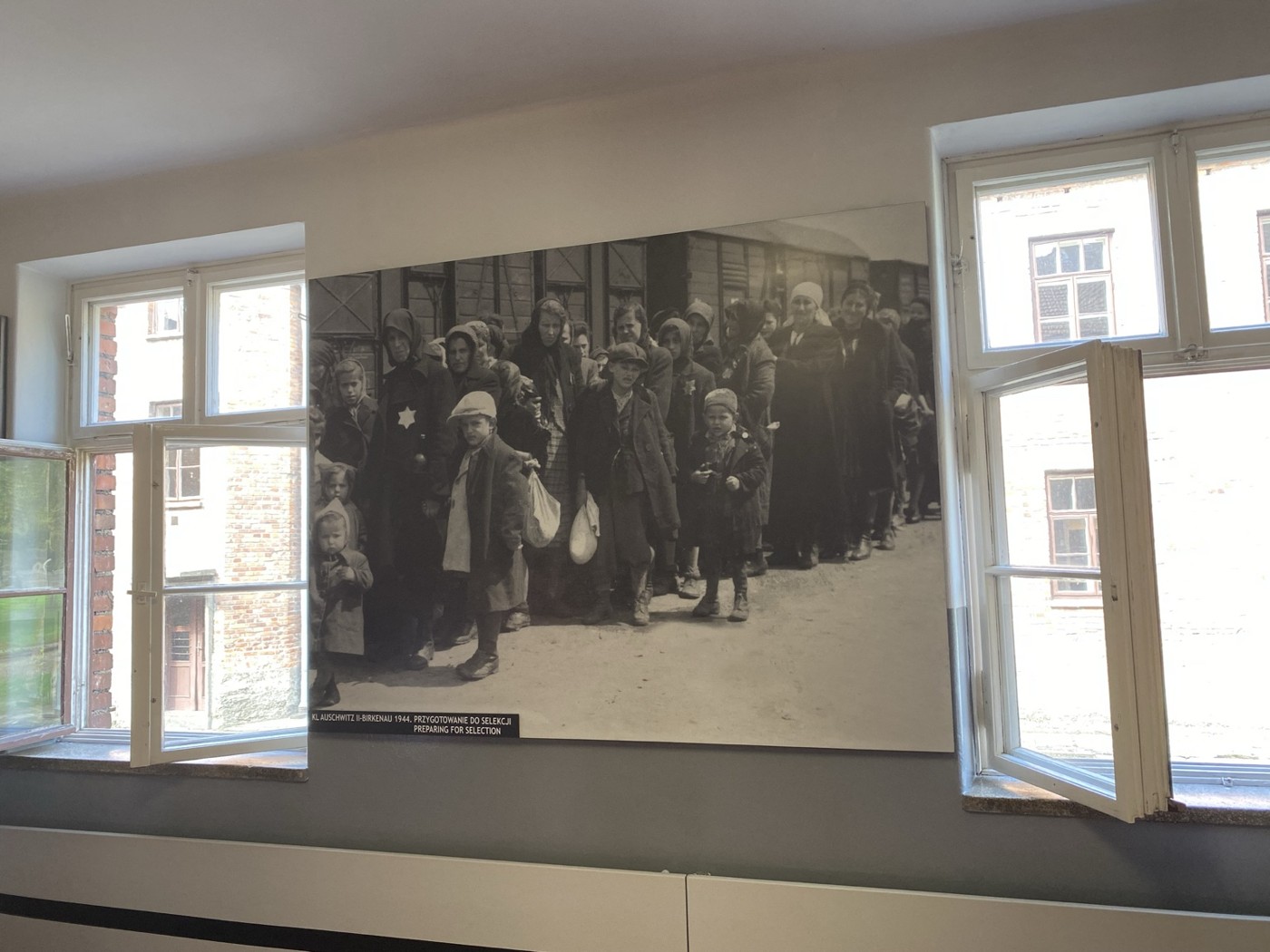
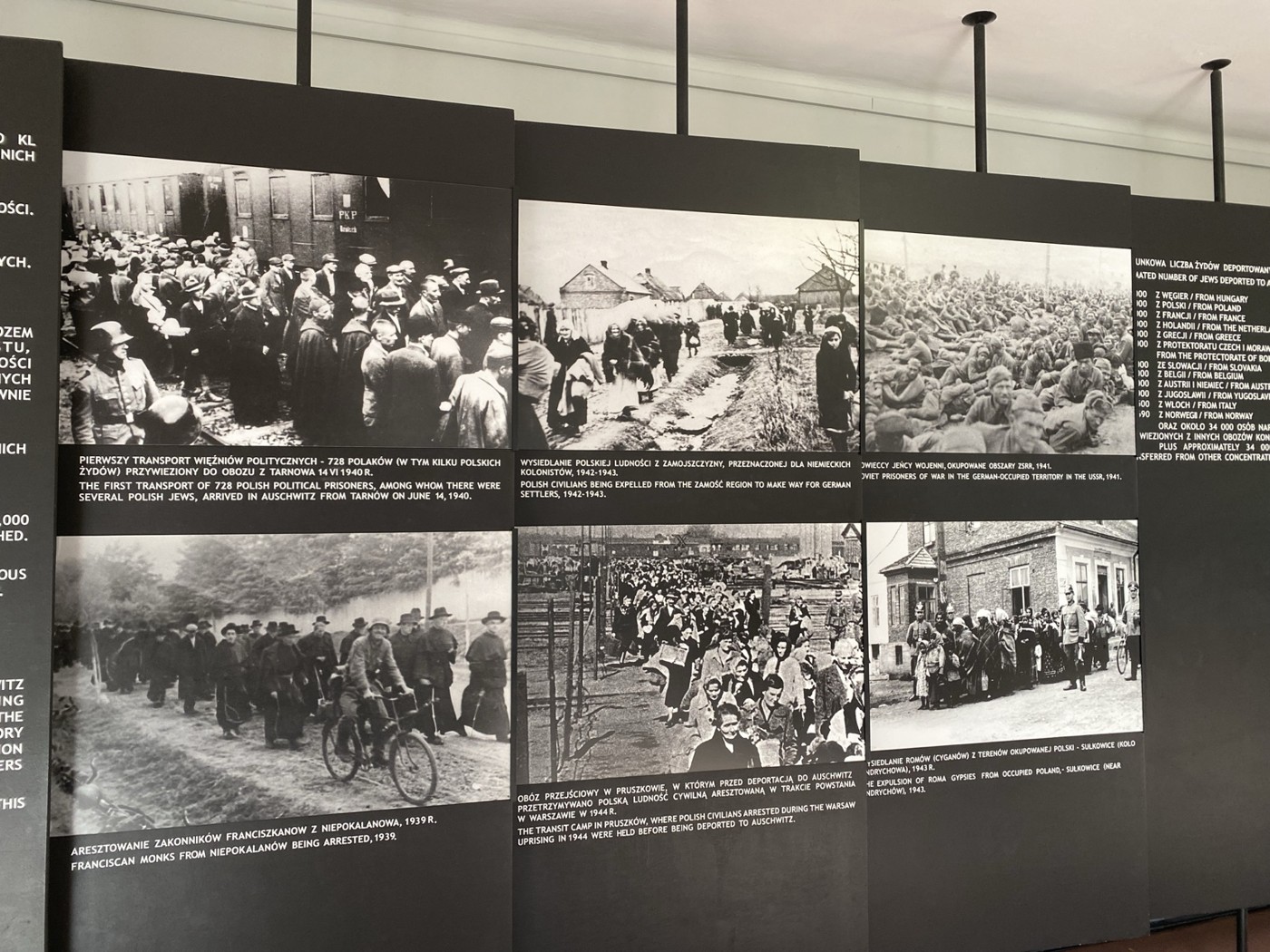
Historical context for these photographs
- The memorial courtyard: The Death Wall beside Block 11 is a reconstruction marking a site where the SS carried out executions.
- Historical photographs: Museum displays document deportation, persecution and the people whose lives were taken or profoundly changed here.
- Learning and remembrance: The Auschwitz-Birkenau Memorial and Museum offers further historical information and visitor guidance.
Historical sources: Museum history · Auschwitz and the Shoah · Death Wall.
Kraków · Poland
Kraków: old streets and an unexpected dance partner.
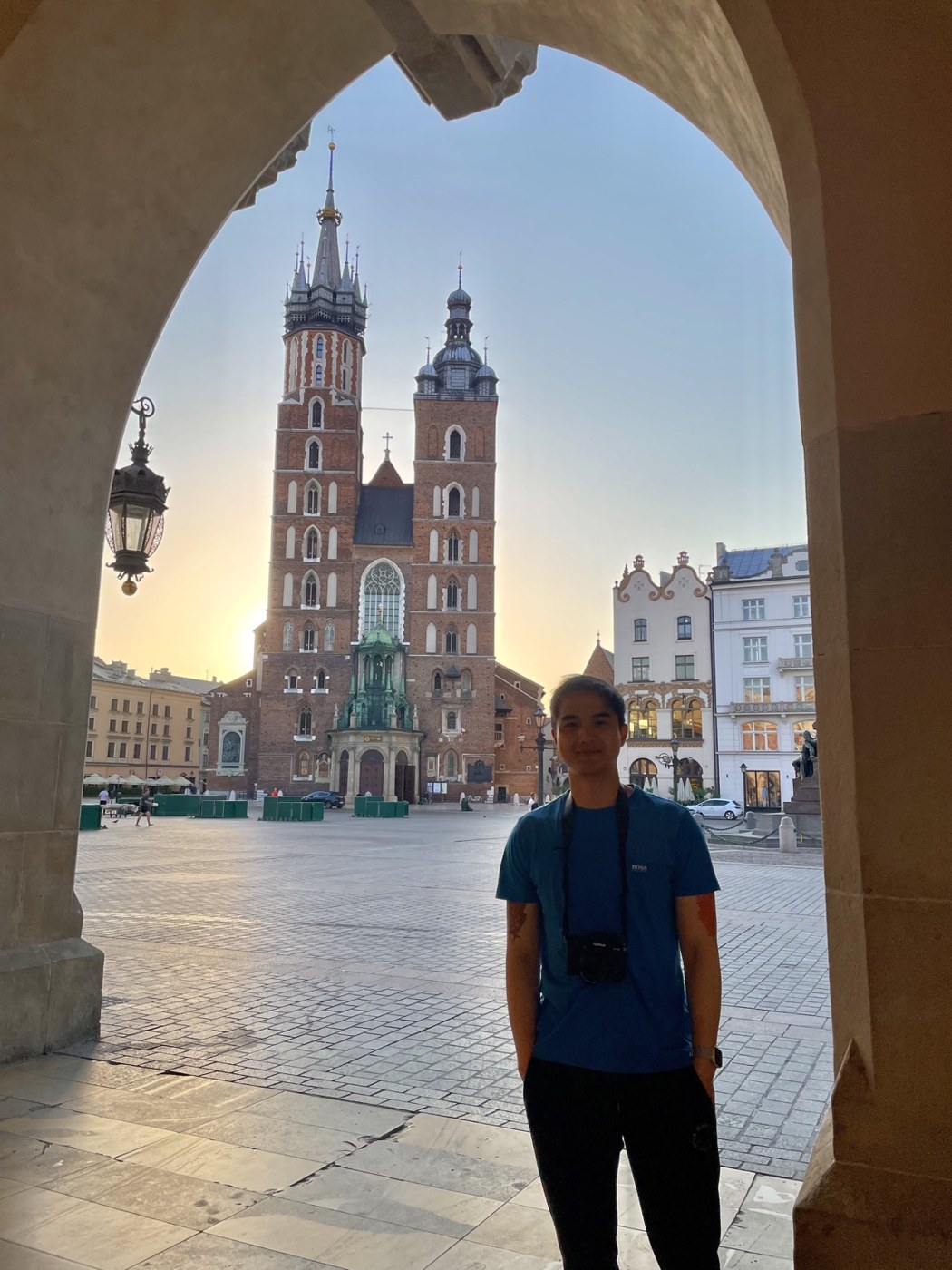
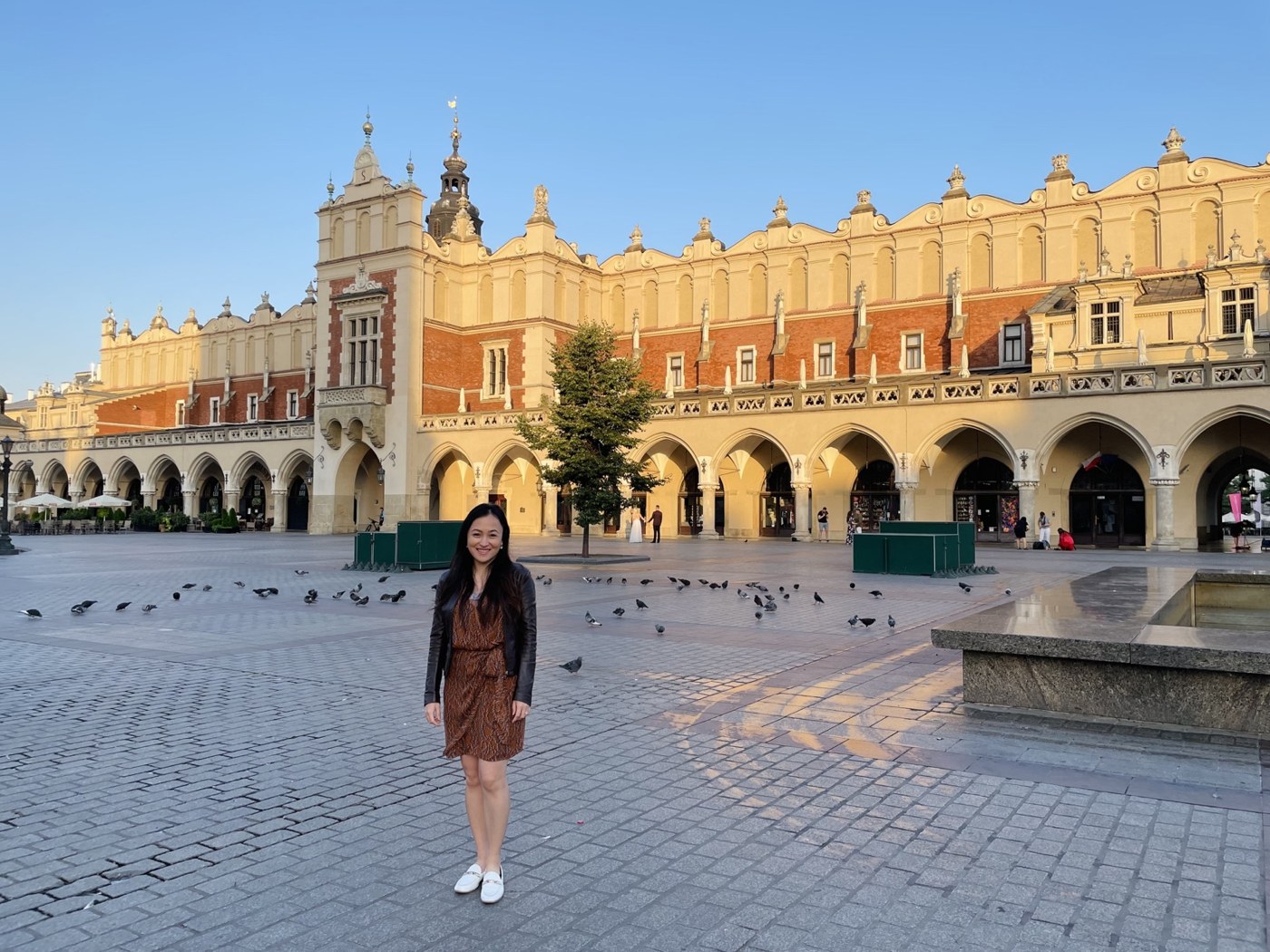
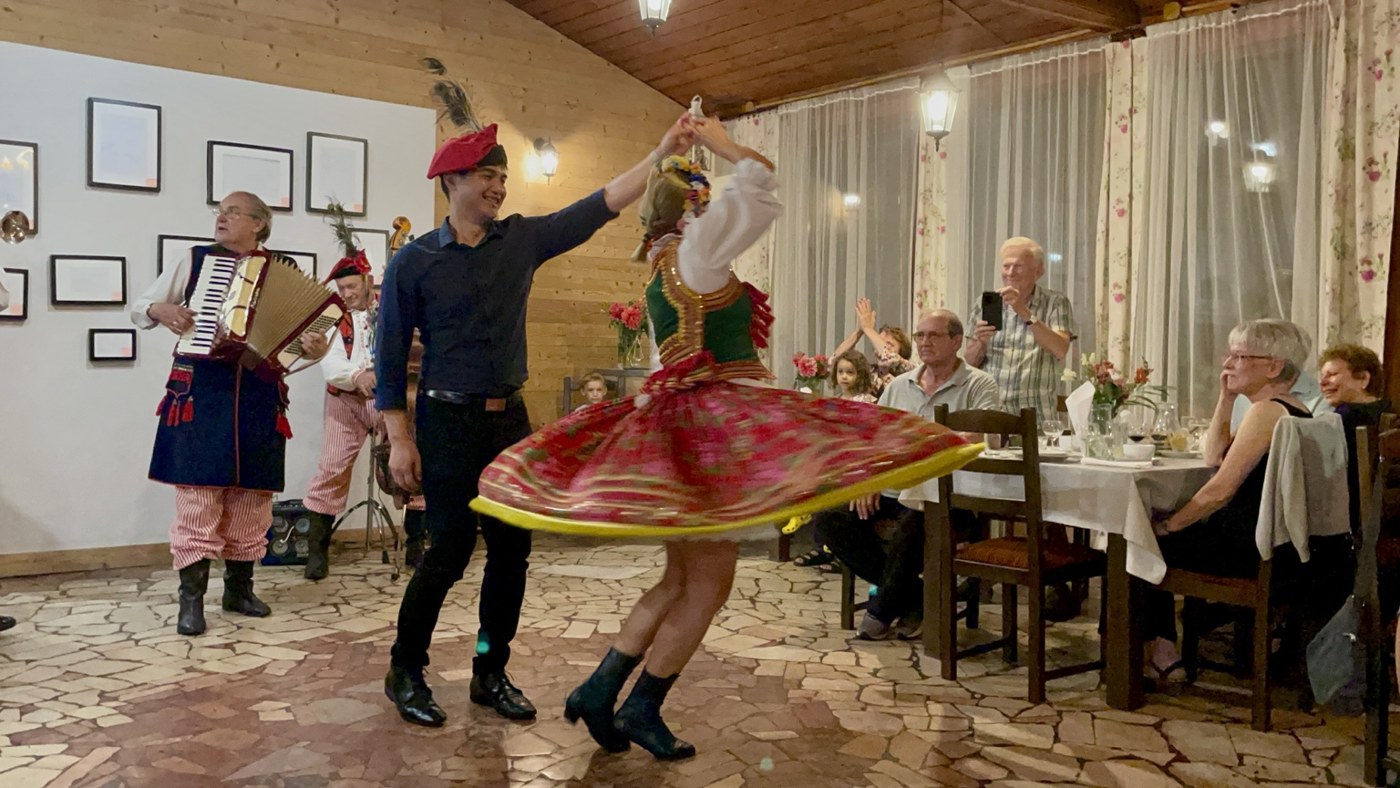
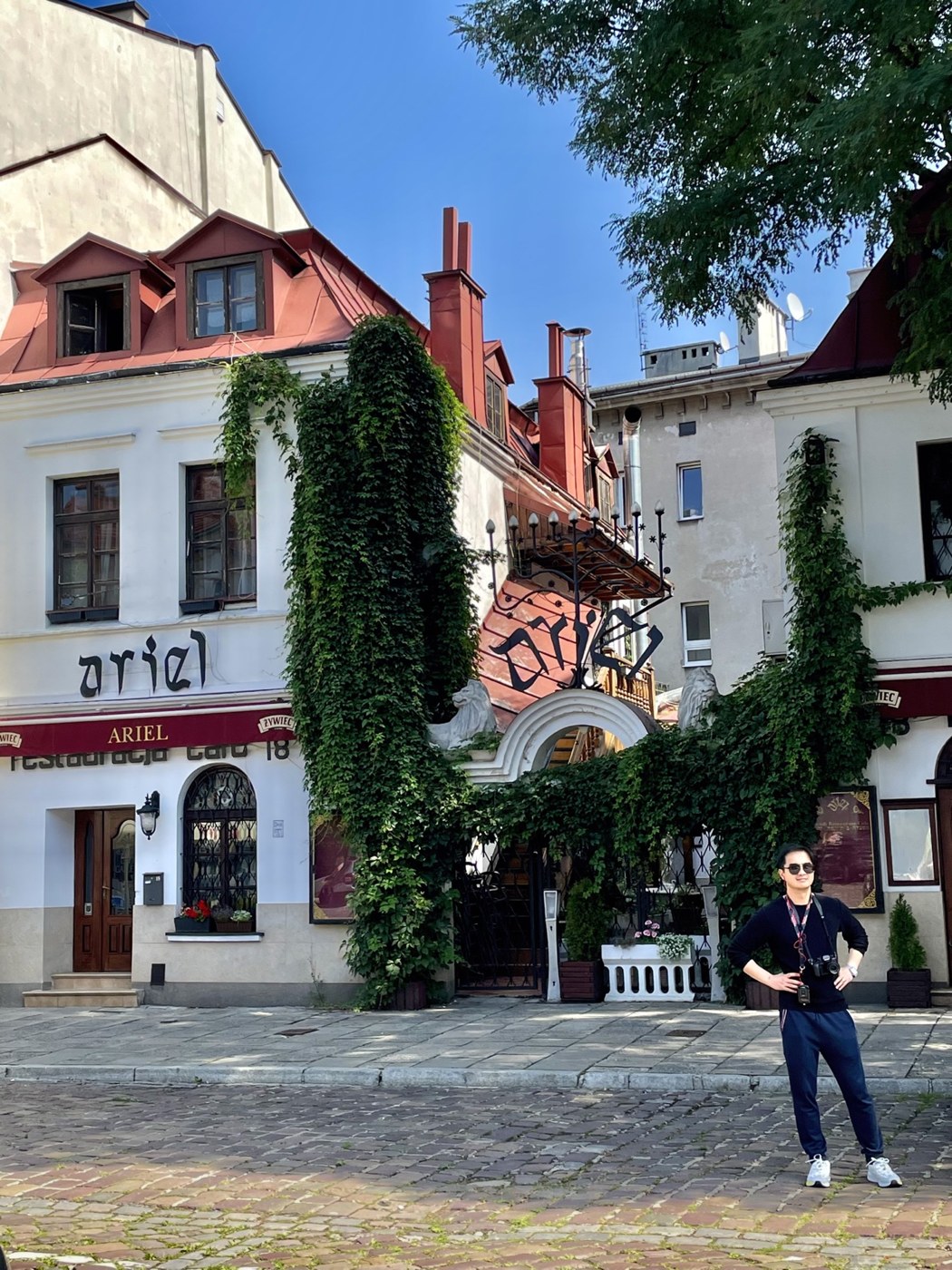
We explored Kraków’s Old Town and Main Market Square, with St Mary’s Basilica and the Cloth Hall providing quite a backdrop for our photos. The square was laid out in 1257, and the city’s historic centre joined UNESCO’s World Heritage List in 1978. We also visited the square in Kazimierz, Kraków’s historic Jewish quarter, whose synagogues and streets preserve an important part of the city’s heritage. For the evening, we chose a paid optional excursion offered through our tour: a Polish dinner with music and dancing. Francis was invited to join in, so our dinner photos came with a little extra entertainment.
Swipe through our photos, or tap a photo to see it in full.
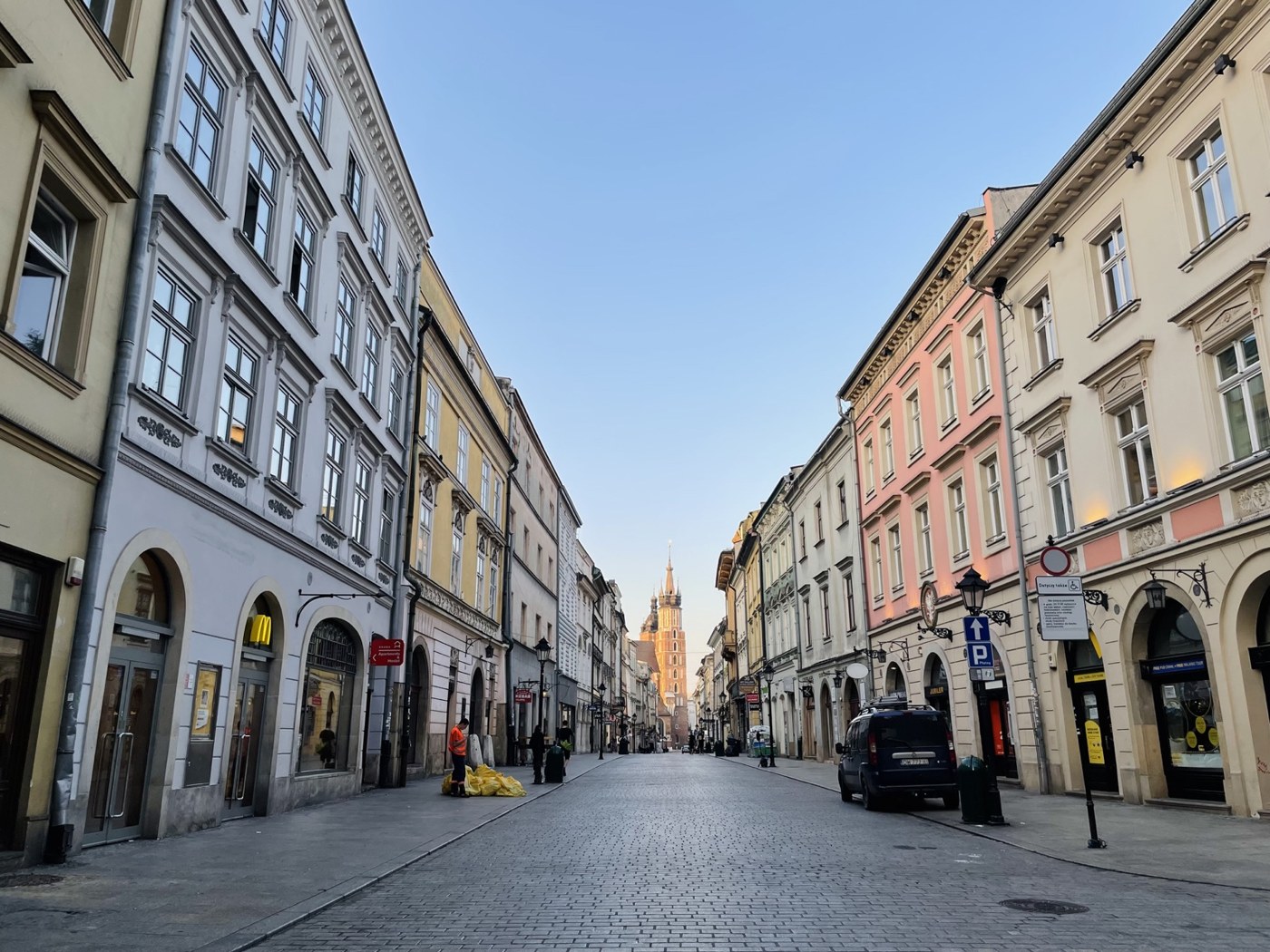
What we explored in Kraków
- Main Market Square: Photos by St Mary’s Basilica and the Cloth Hall, in the heart of the Old Town.
- Old Town: Time walking through the streets around the square.
- Kazimierz: A visit to the historic Jewish quarter and its square.
- Polish dinner and dancing: A paid optional excursion we selected through the tour, rather than an included meal; Francis was asked to dance with one of the performers.
Landmark background: UNESCO: Historic Centre of Kraków · Kraków Tourism: Main Market Square.
Budapest · Hungary
Budapest: dinner with unexpected fireworks.
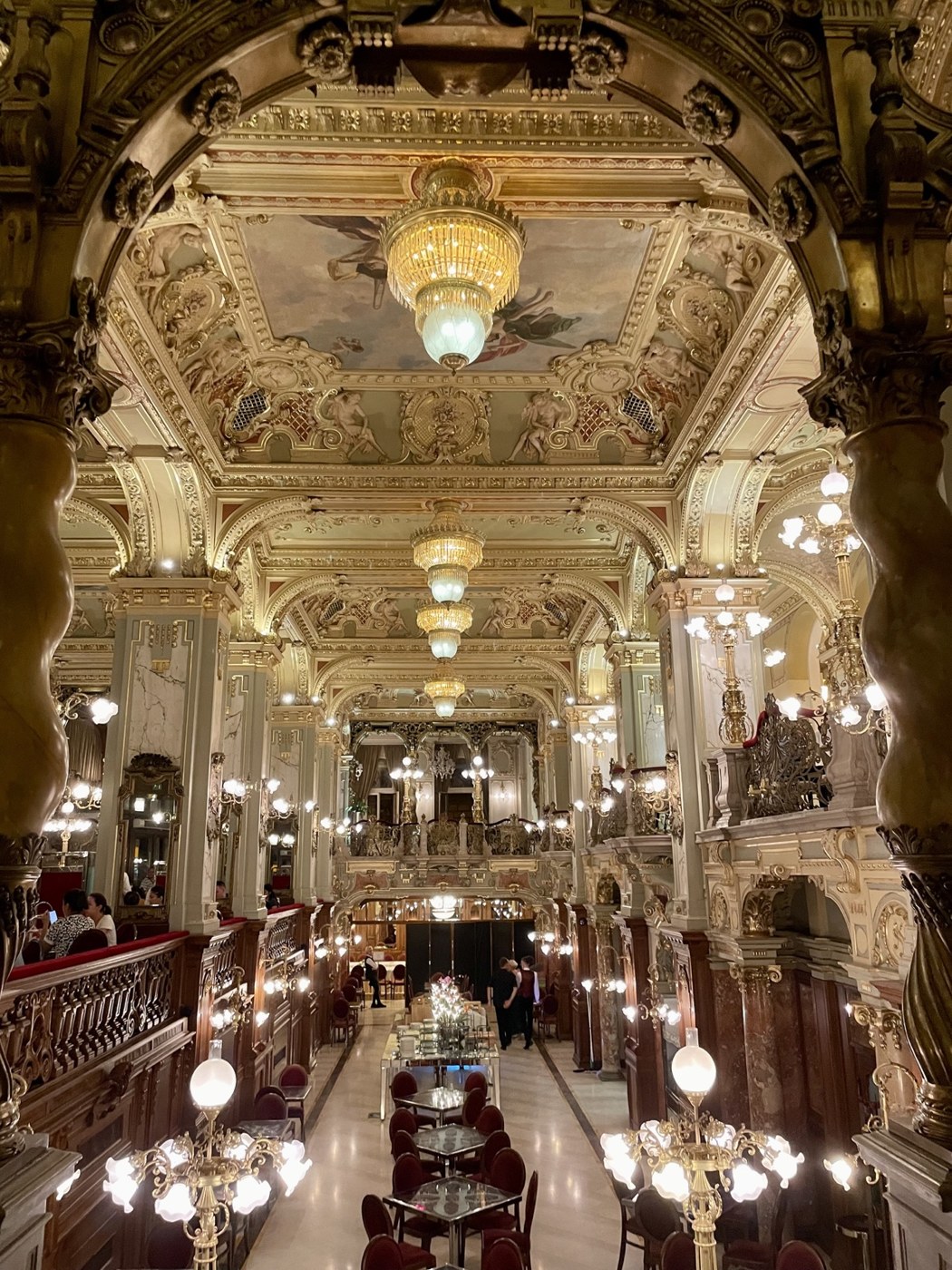
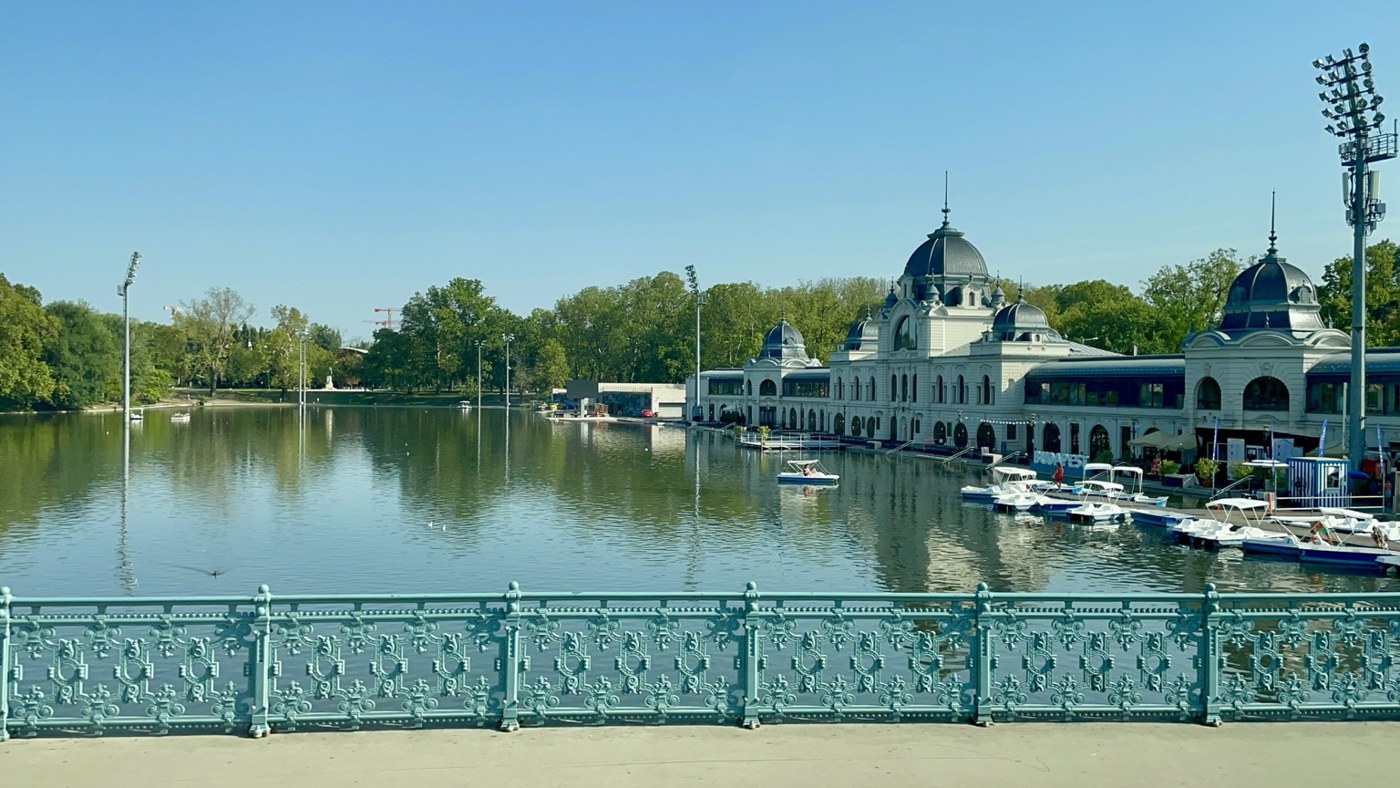
On a free evening in Budapest, we arranged our own dinner by the water, separate from the tour. By coincidence, our night out lined up with the city’s huge annual fireworks celebration, and we got to enjoy dinner with fireworks over the Danube. These displays are part of Hungary’s St Stephen’s Day celebrations, marking the founding of the Hungarian state. We also saw Matthias Church, stopped for photos overlooking the Danube and visited the wonderfully ornate New York Café. Even the bus ride offered something to look at: the lakeside building in Városliget, Budapest’s City Park.
Swipe through our photos, or tap a photo to see it in full.
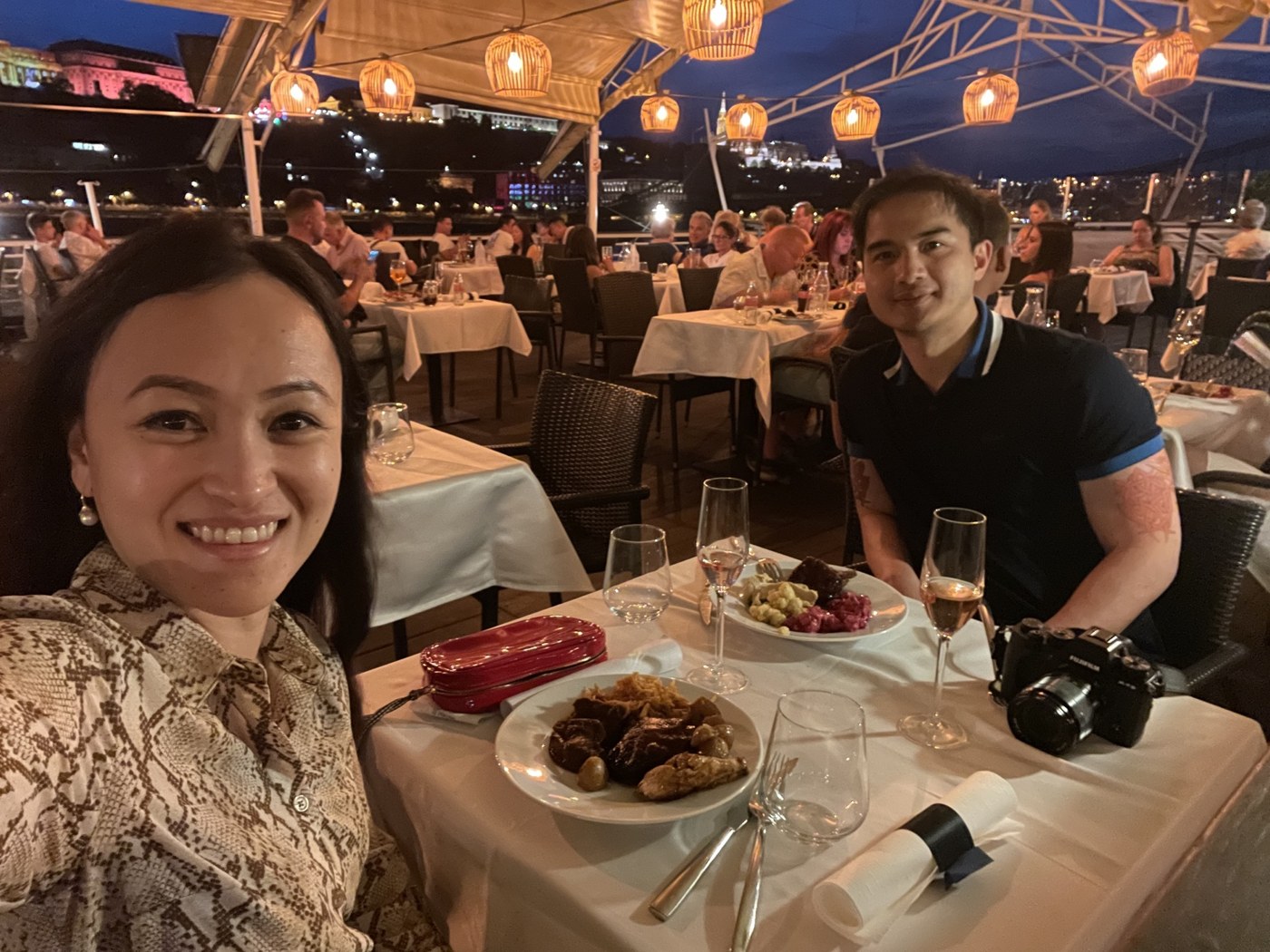
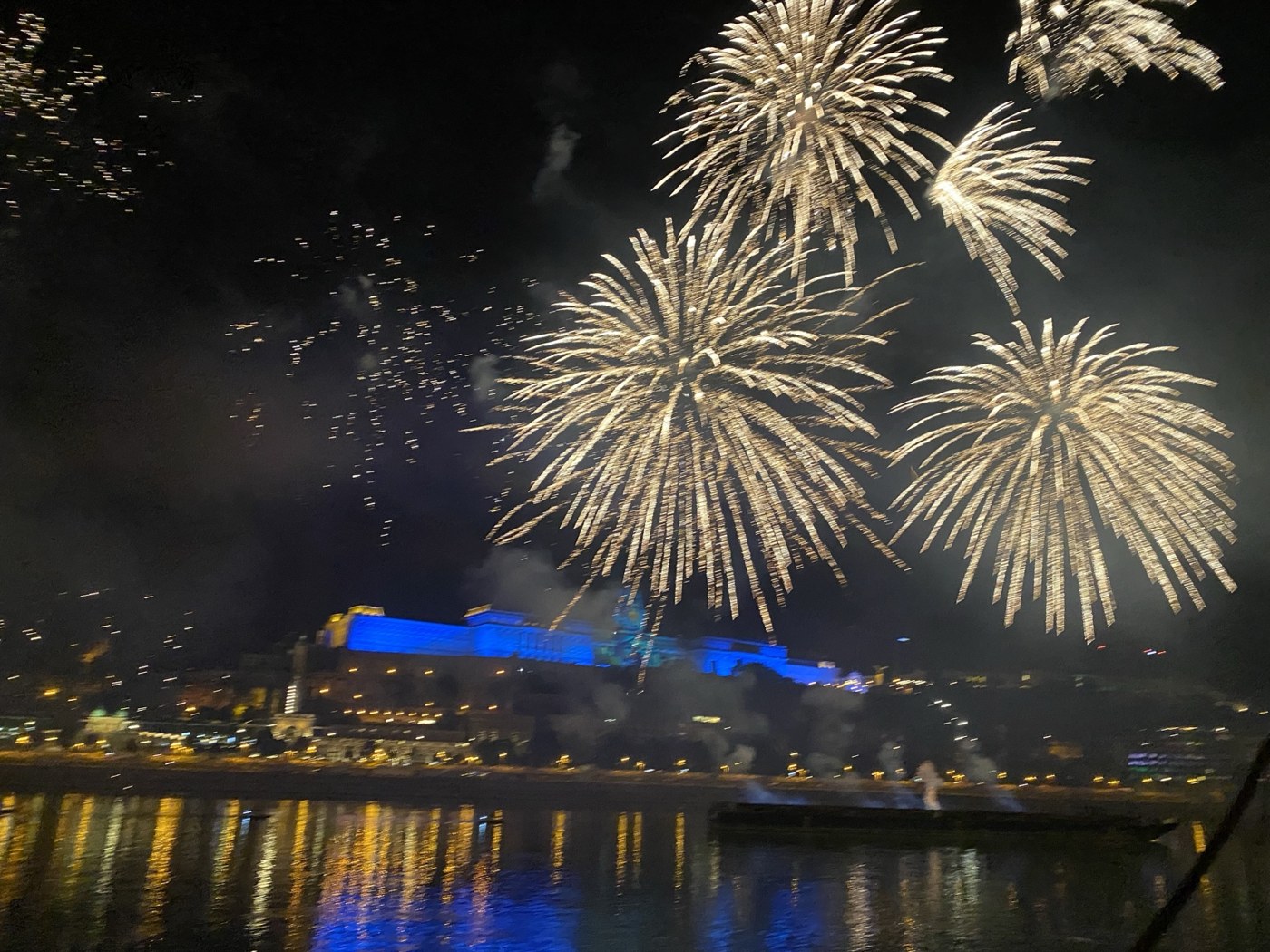
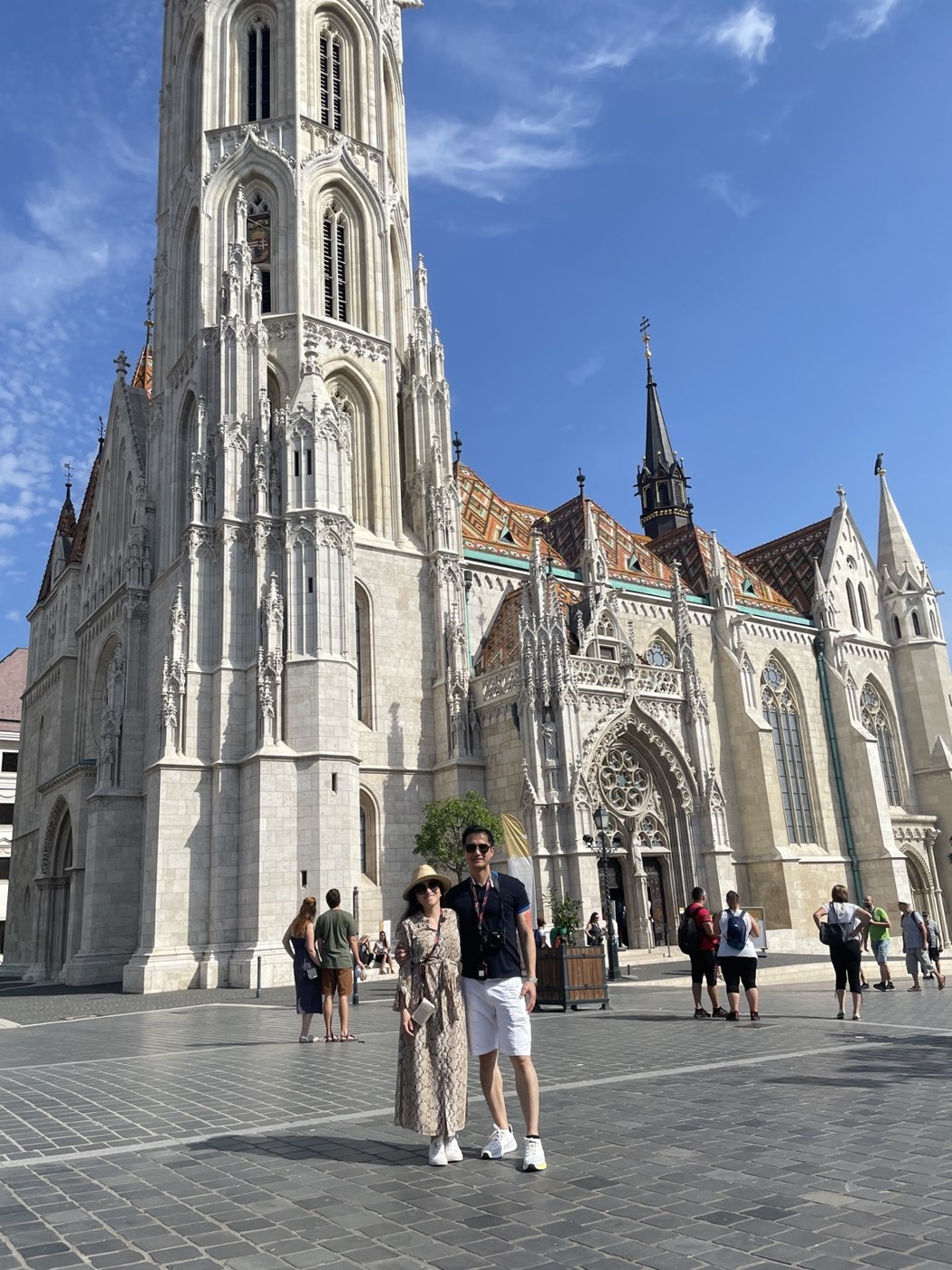
What we explored in Budapest
- Dinner and fireworks: We arranged the waterside dinner ourselves during free time; it was not included in the tour. The fireworks were a fortunate coincidence, rather than a planned tour activity.
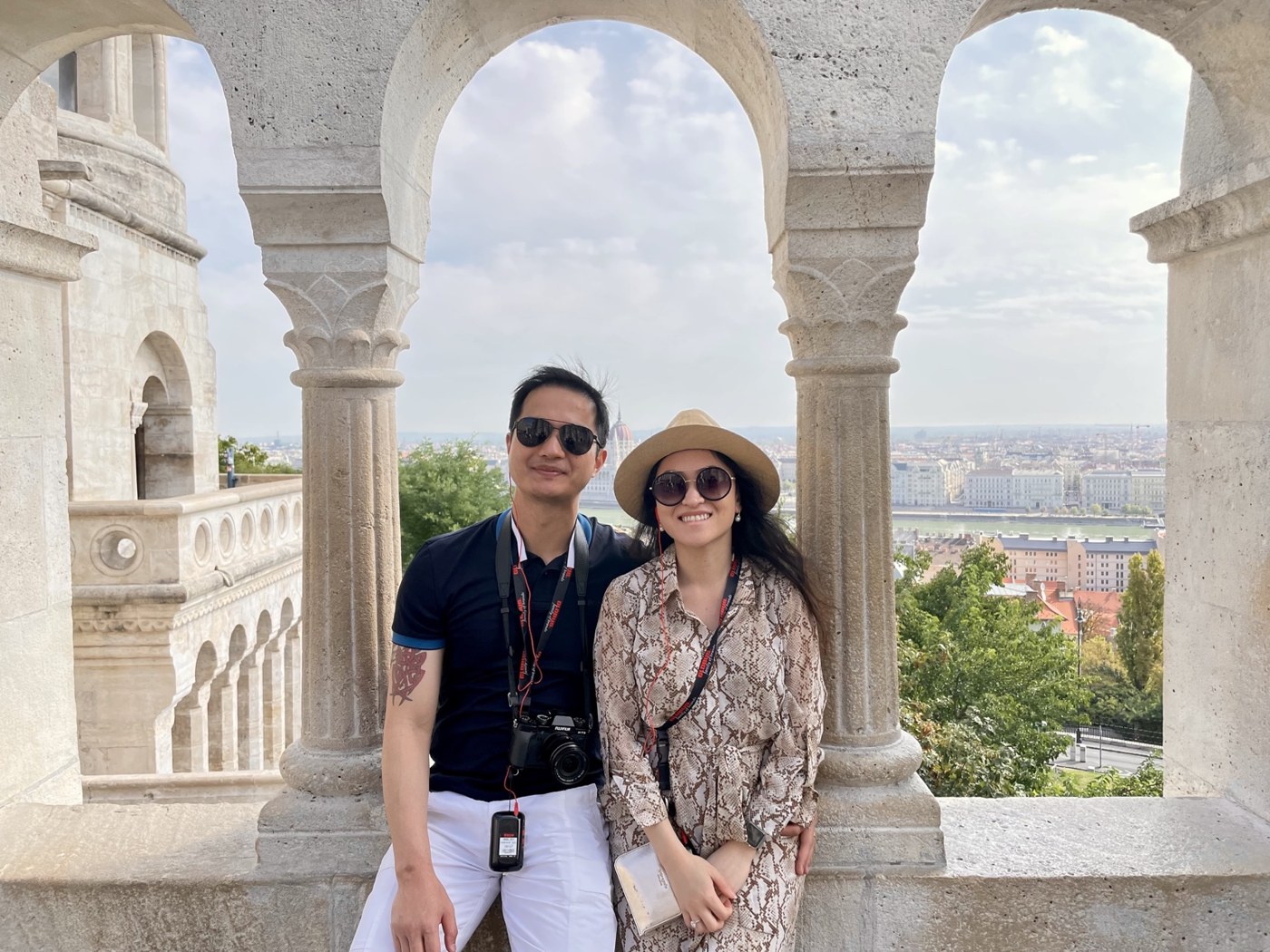
- Matthias Church and Danube views: We visited the Buda Castle District and took the photo above beneath the arches of Fisherman’s Bastion.
- New York Café: A stop we recommend if you have free time, especially for the elaborate interior. The café opened in 1894.
- Városliget from the bus: Our photo shows the City Park Ice Rink building beside the boating lake; the building also houses Városliget Café. The site is used for skating in winter and boating in summer.
If you’re planning around the fireworks: St Stephen’s Day is celebrated on 20 August, but check the official programme for the actual display date and any weather-related changes.
Background: Visit Hungary: fireworks · New York Café · City Park Ice Rink and Boating Lake · Városliget Café.
Vienna · Austria
Vienna: cathedral views and an evening of Mozart.
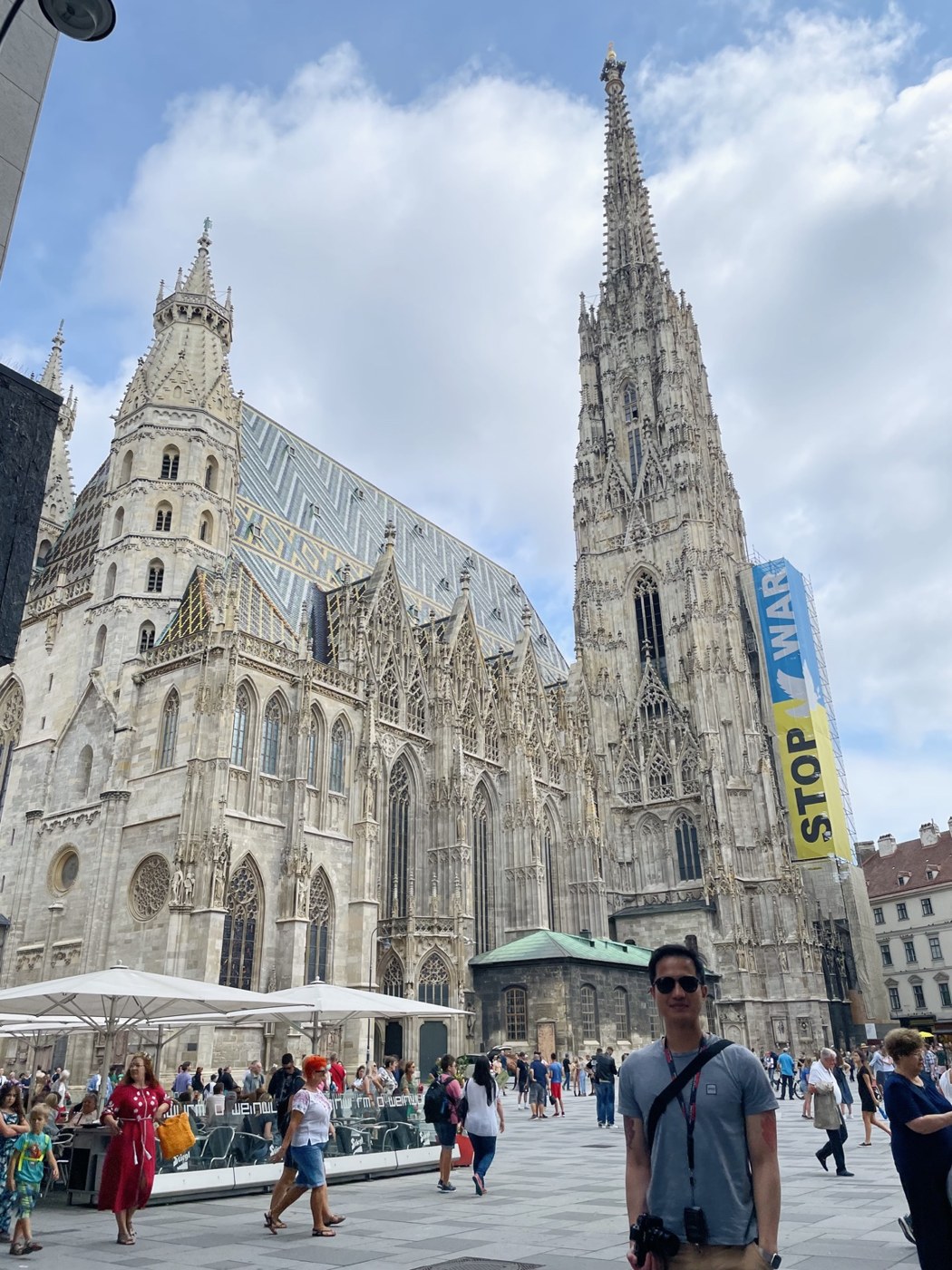
In Vienna, we checked out St Stephen’s Cathedral and explored the streets around it. Construction of this city landmark began in the 12th century, and its colourful tiled roof is one of its most recognisable features. Nearby, our walk took us past the ornate Plague Column on Graben, a reminder of the city’s past epidemics. We also selected a paid optional excursion through our tour to attend a Mozart concert. Our photos bring together the cathedral, the surrounding streets and the performers taking their bow.
Swipe through our photos, or tap a photo to see it in full.
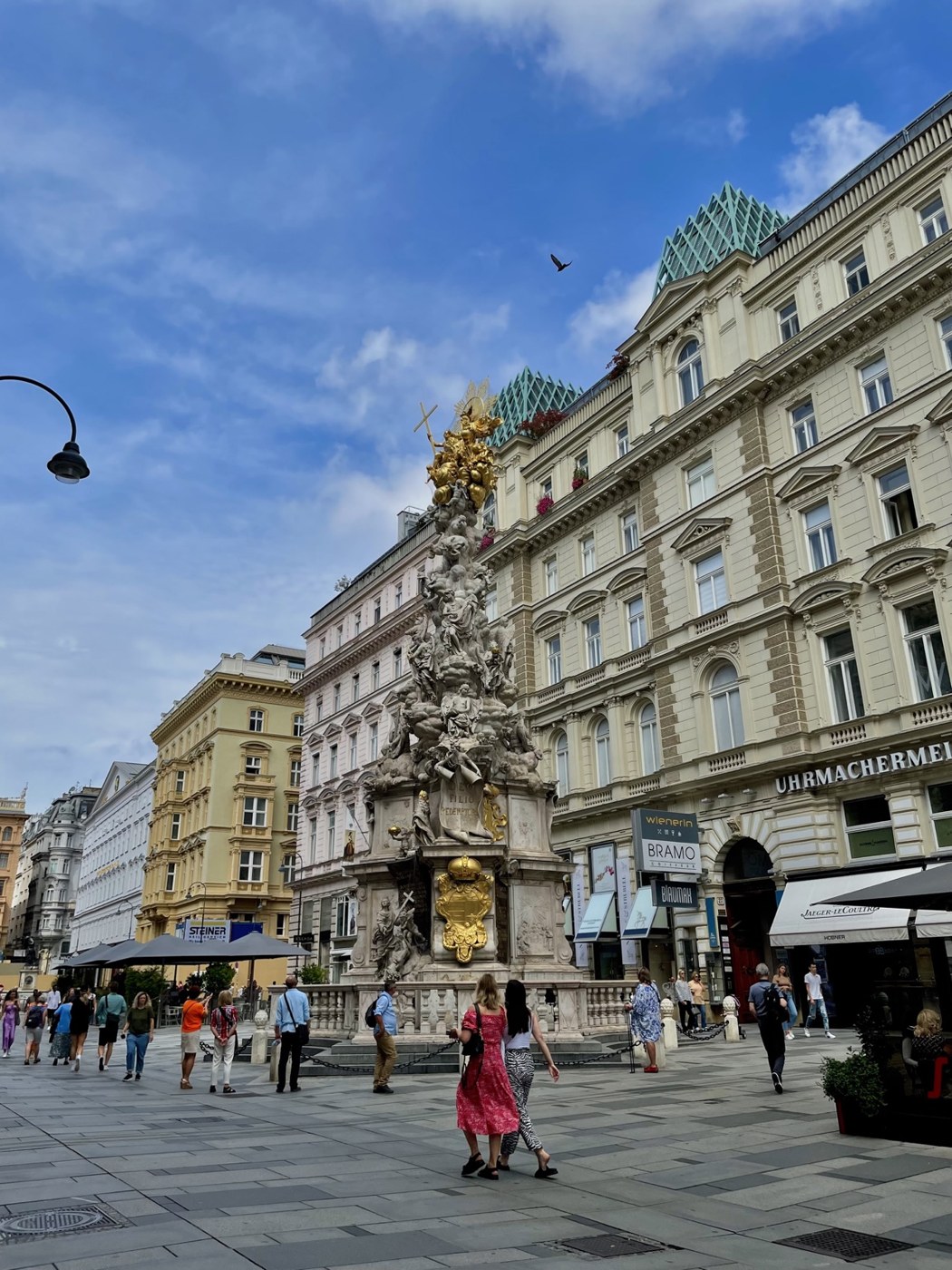
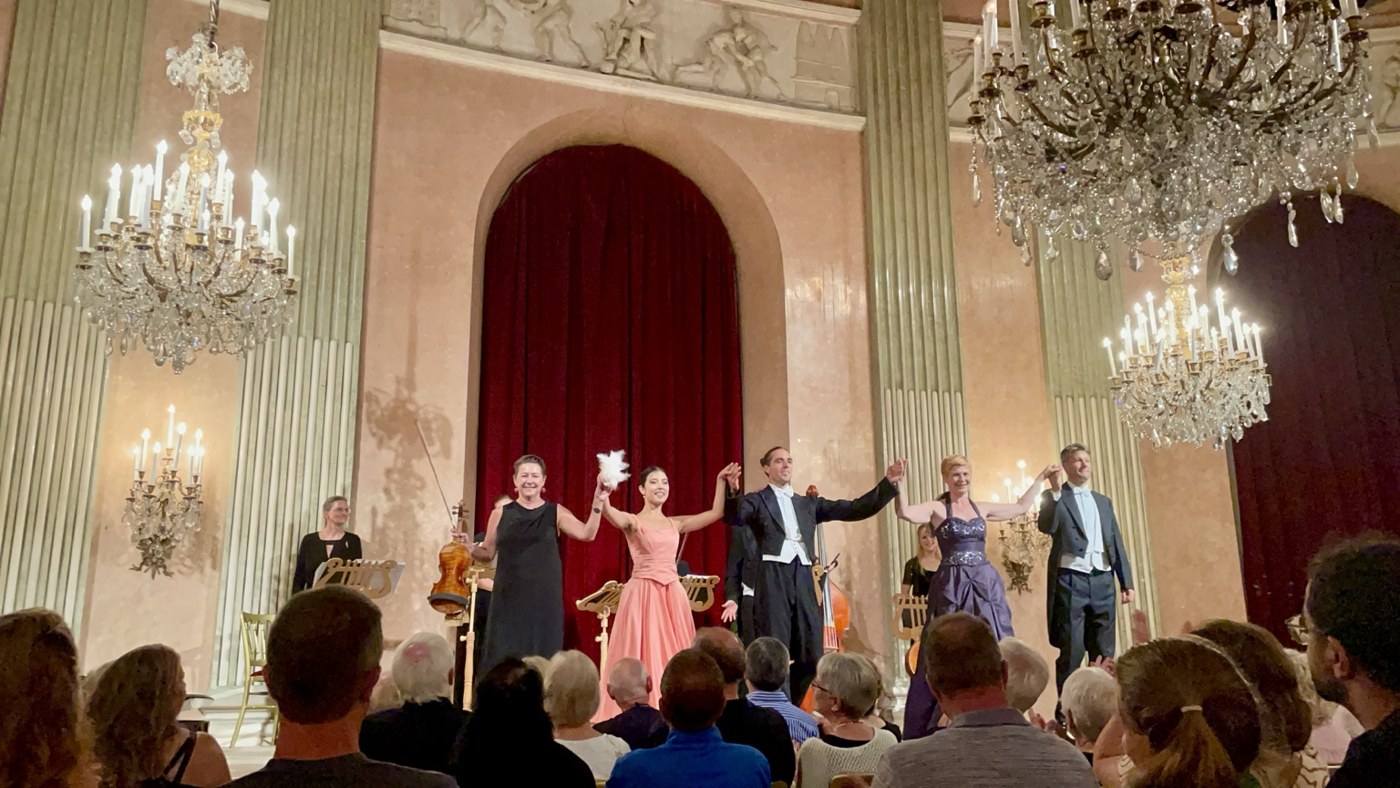
What we explored in Vienna
- St Stephen’s Cathedral: A stop at Stephansplatz to see the cathedral and its distinctive roof and towers.
- The surrounding streets: We explored the area around the cathedral, including Graben and its Plague Column.
- Mozart concert: A paid optional excursion we selected through the tour, rather than an included activity.
Landmark background: Vienna Tourism: St Stephen’s Cathedral · Vienna Tourism: Plague Column.
Bratislava · Slovakia
Bratislava: castle views and soup in a bread bowl.
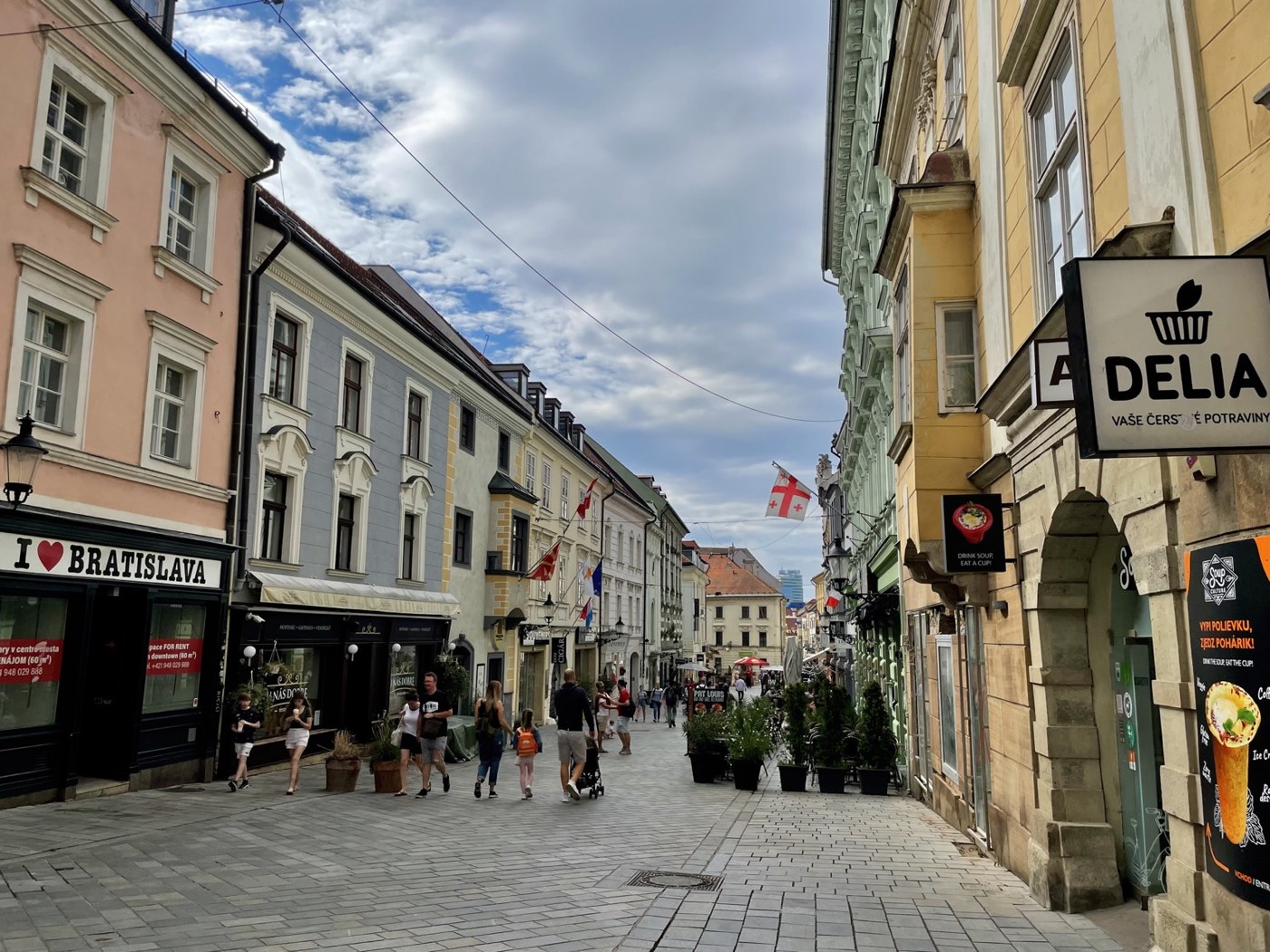
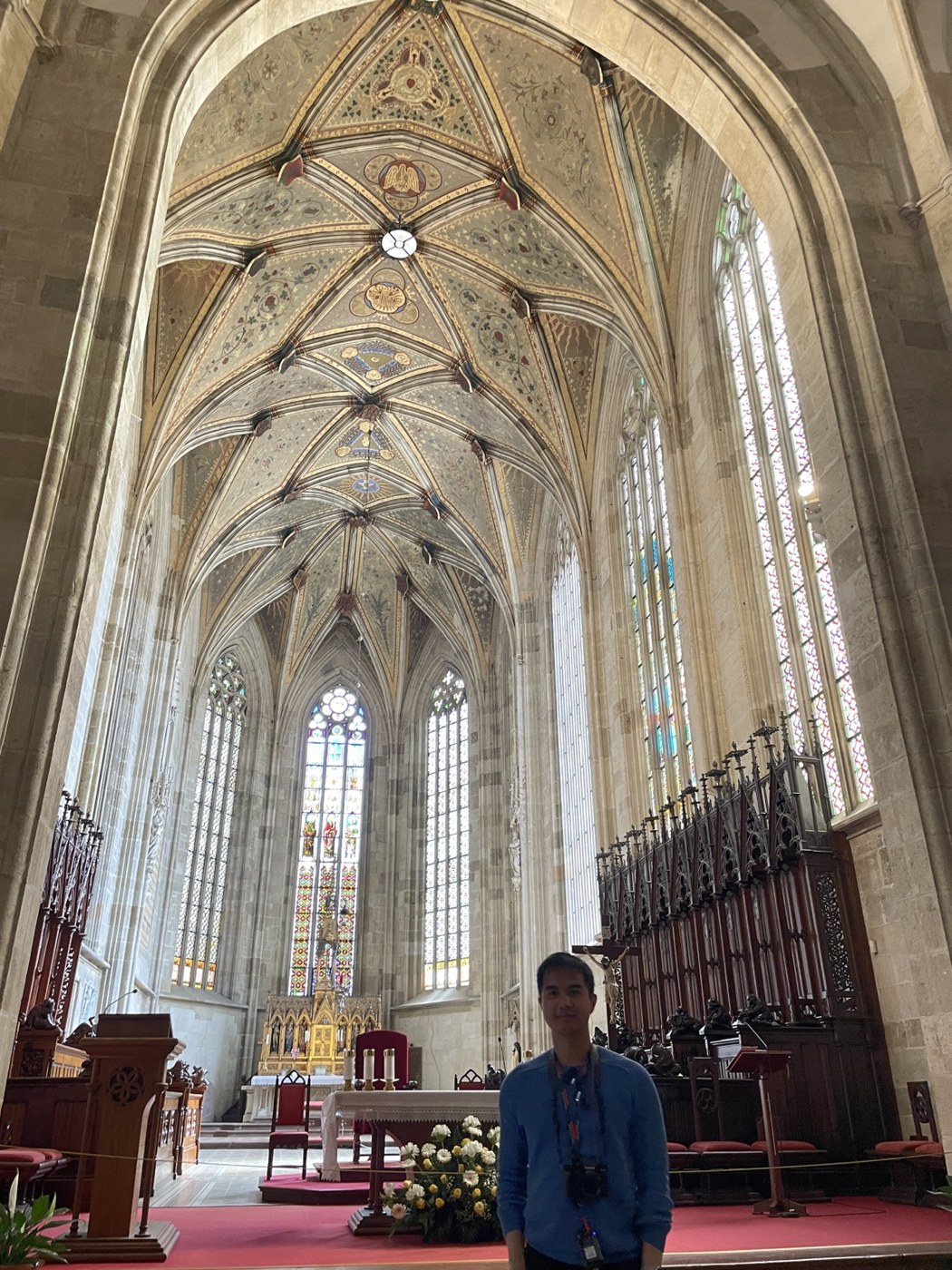
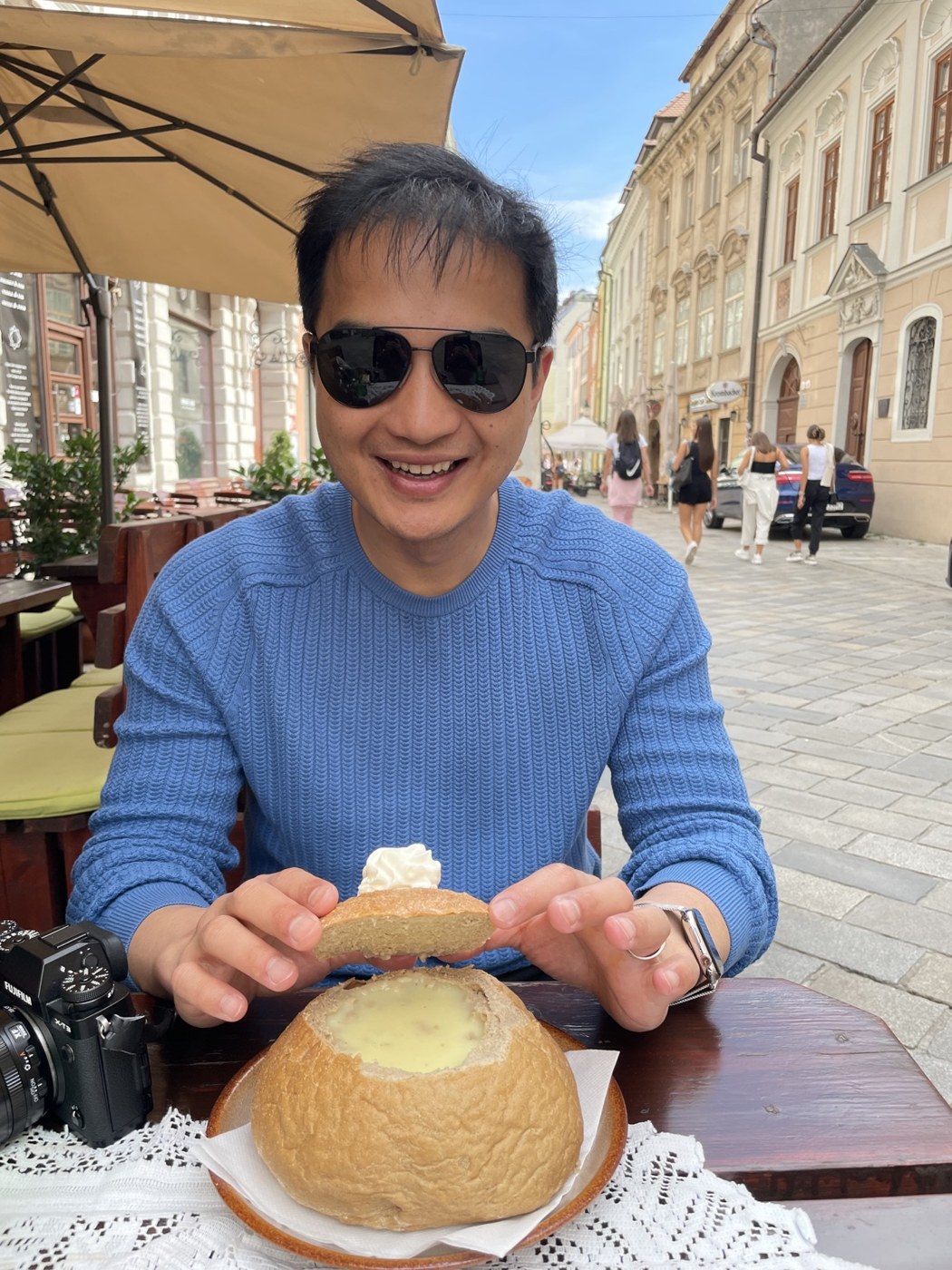
In Bratislava, we visited the castle, took photos overlooking the Danube and explored the Old Town and its main square. The castle’s hilltop position above the river helps explain why this has been such a strategic site for centuries. We also visited St Martin’s Cathedral, once the coronation church for Hungarian monarchs and their consorts. Its tower is topped with a gilded replica of the Hungarian royal crown—a detail with quite a story behind it. At lunch, Francis tried soup served in a bread bowl, giving us another reason to pause between the sights.
Swipe through our photos, or tap a photo to see it in full.
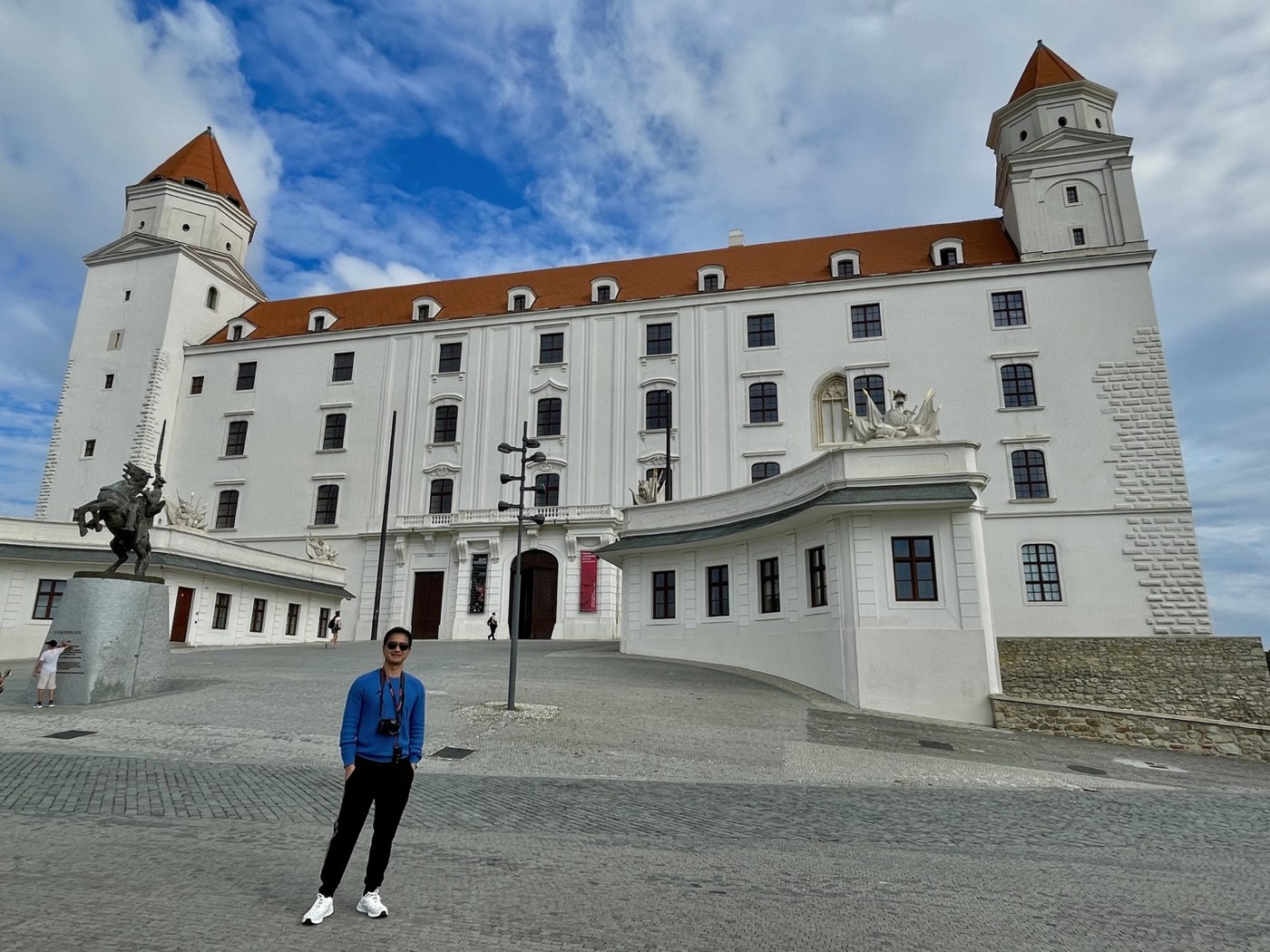
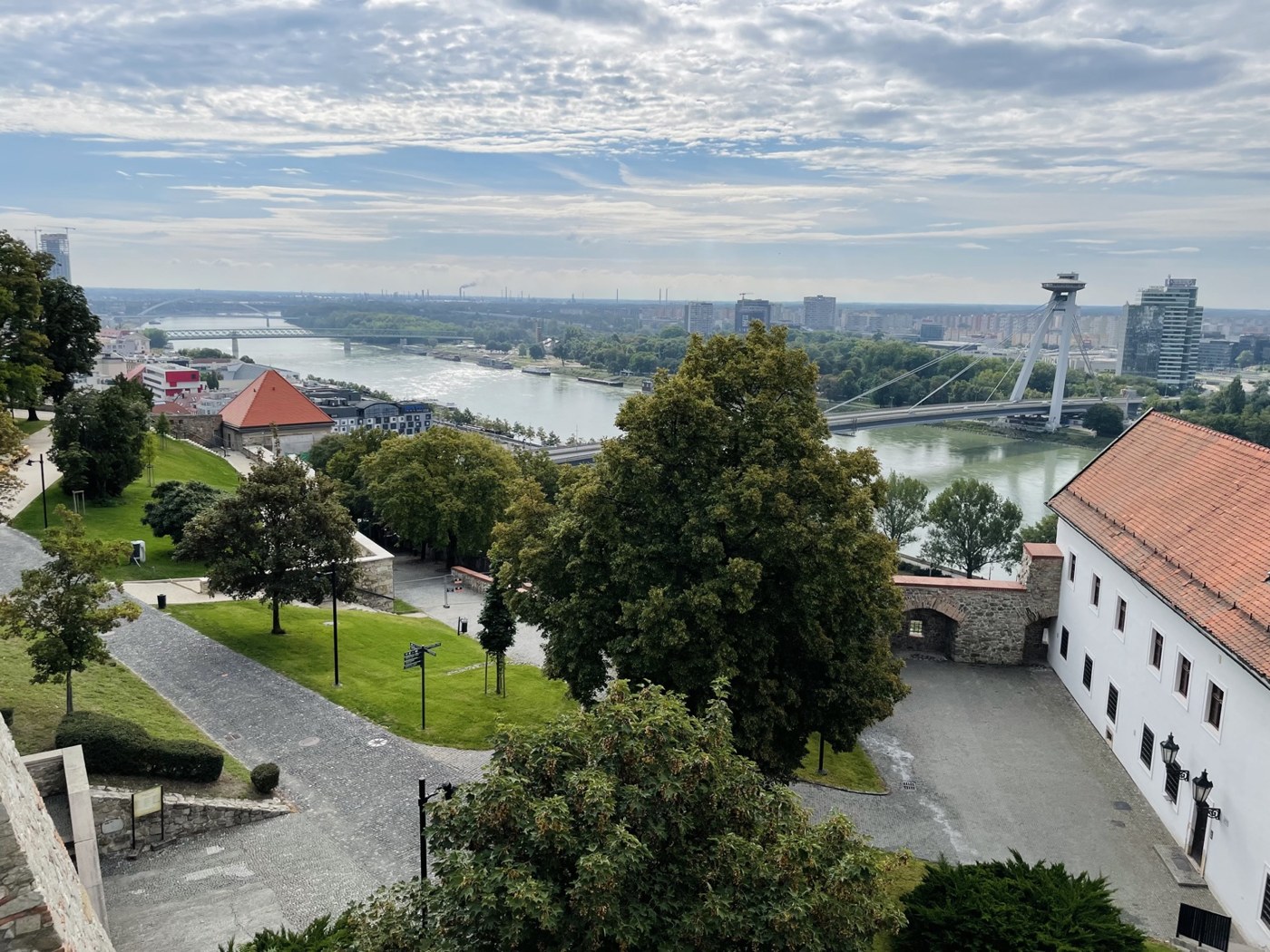
What we explored in Bratislava
- Bratislava Castle: Photos in front of the castle and views over the Danube from the grounds.
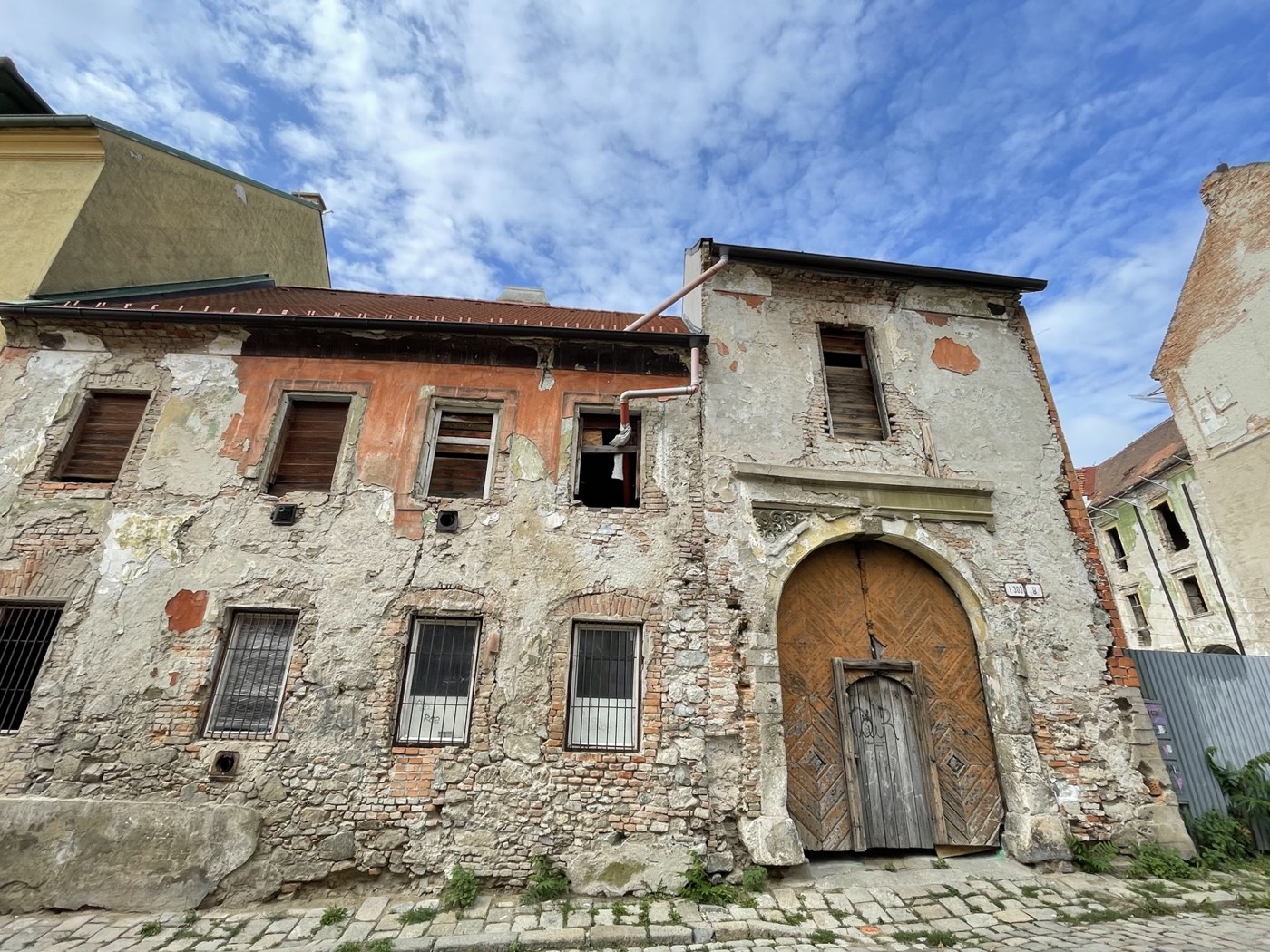
- Old Town and Main Square: A walk through the historic centre, including the older building facade in our gallery.
- St Martin’s Cathedral: A look inside the Gothic cathedral, with its vaulted ceiling and royal coronation history.
- A lunch stop: Francis tried soup served in a bread bowl.
Landmark background: Visit Bratislava: castle · St Martin’s Cathedral.
A short stopover · Telč, Czechia
Telč: a brief stop in a colourful square.
Telč was a very short stopover on our route, with time for a look around and a few photos. Its historic centre is known for a triangular market square lined with Renaissance and Baroque houses, joined by covered arcades. The centre became a UNESCO World Heritage Site in 1992. Our photos capture the colourful gables around the square and the church towers nearby—a small glimpse of the town before we continued our journey.
Swipe through our photos, or tap a photo to see it in full.
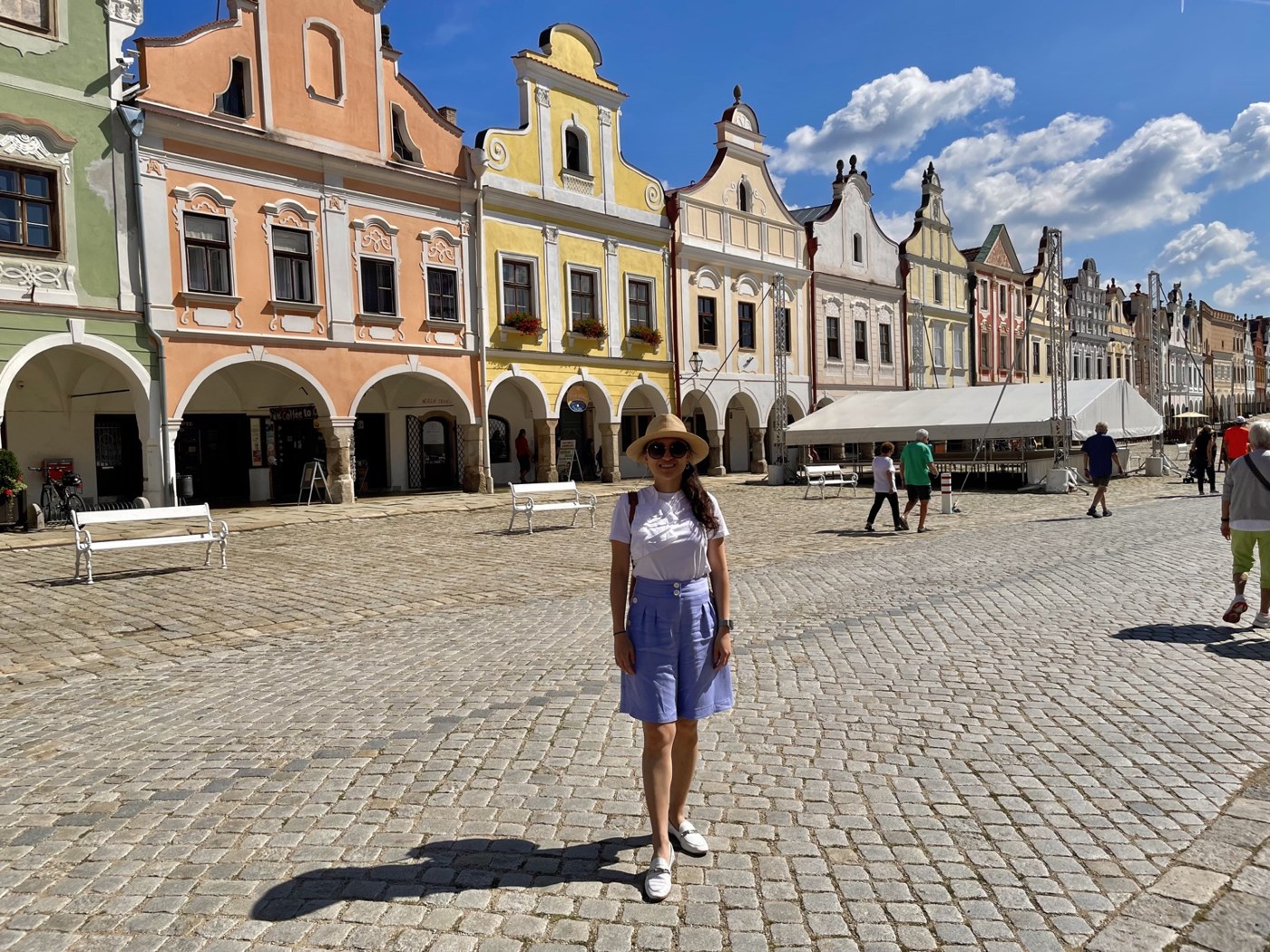
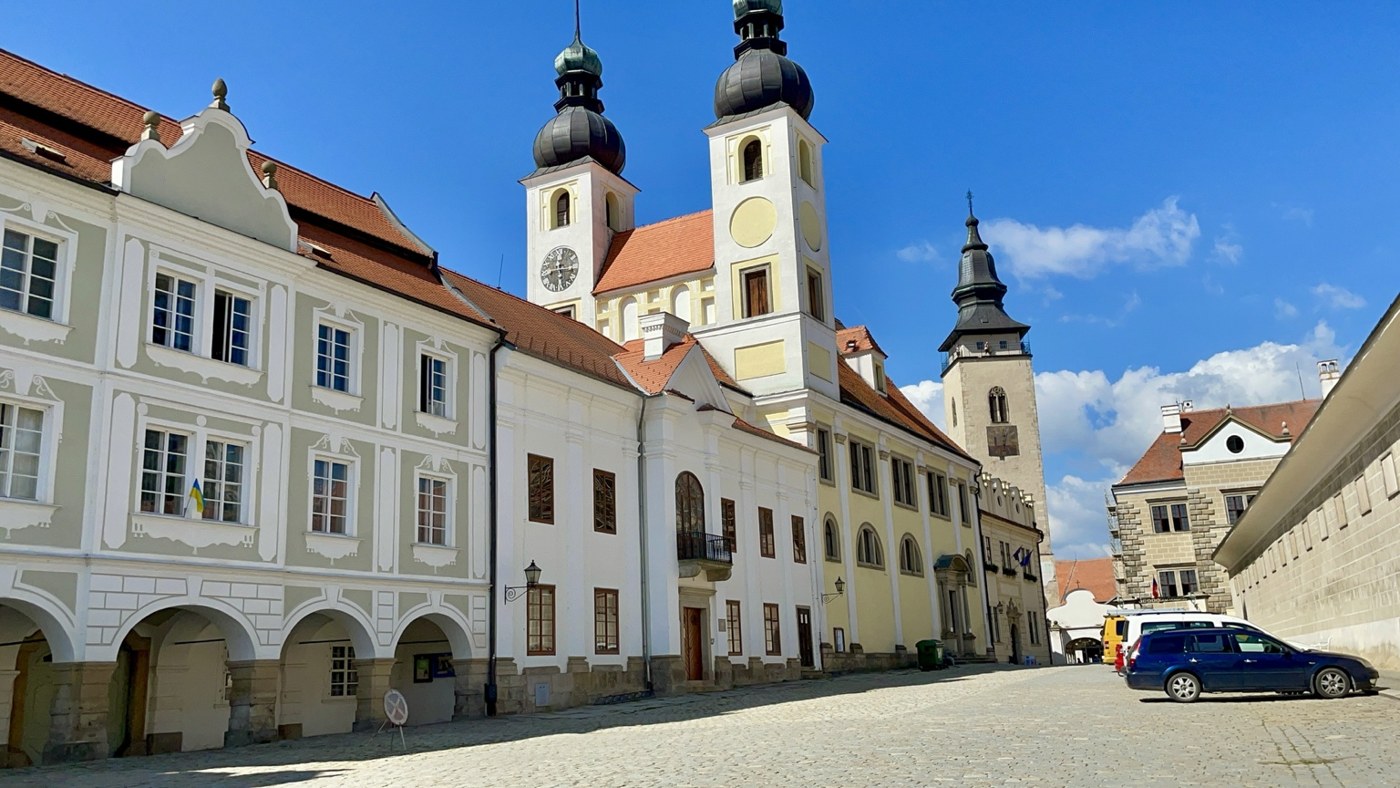
Landmark background: UNESCO: Historic Centre of Telč · Telč: town and history.
Prague · Czechia
Prague: river views, good beer and Old Town by night.
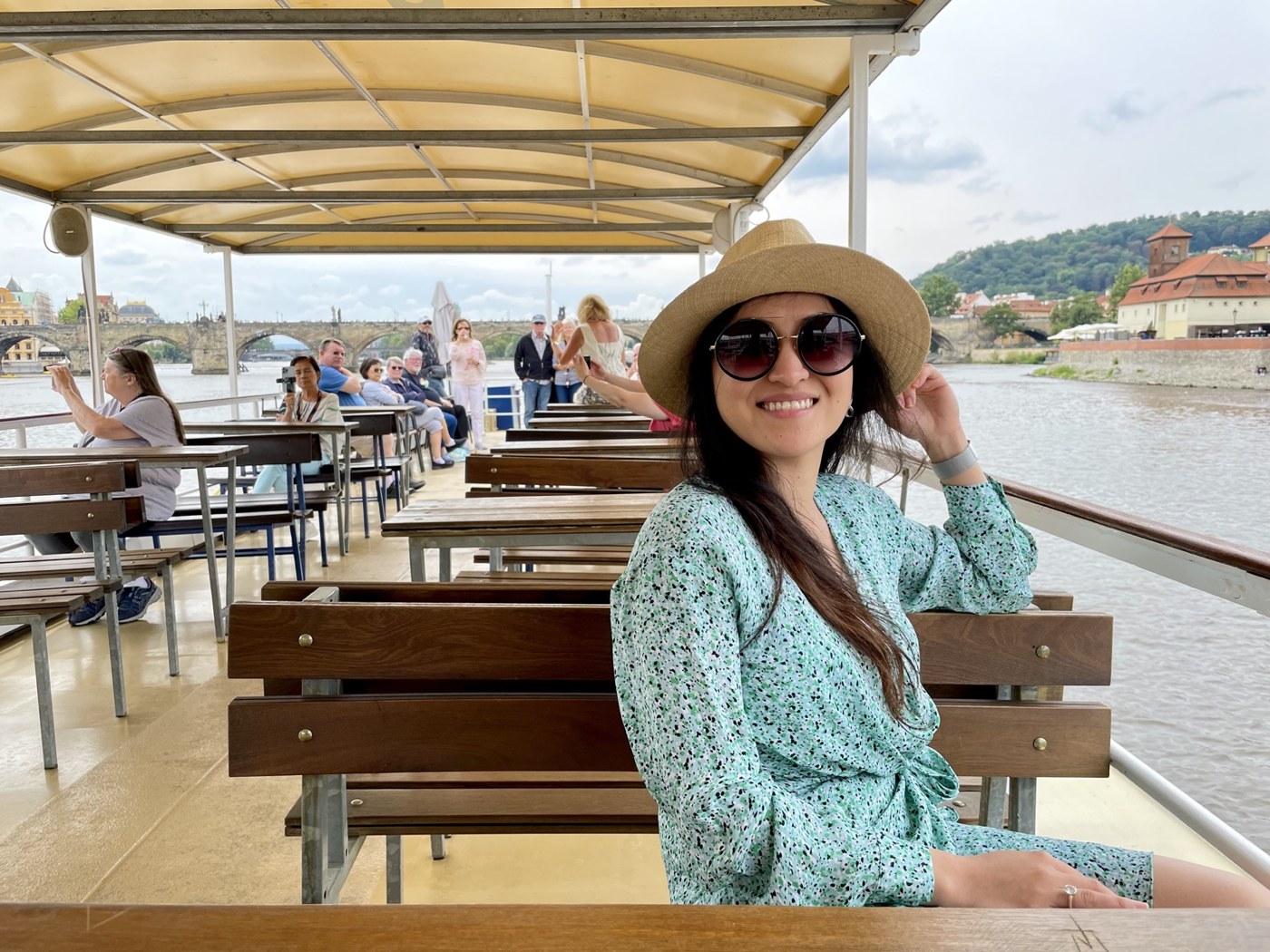
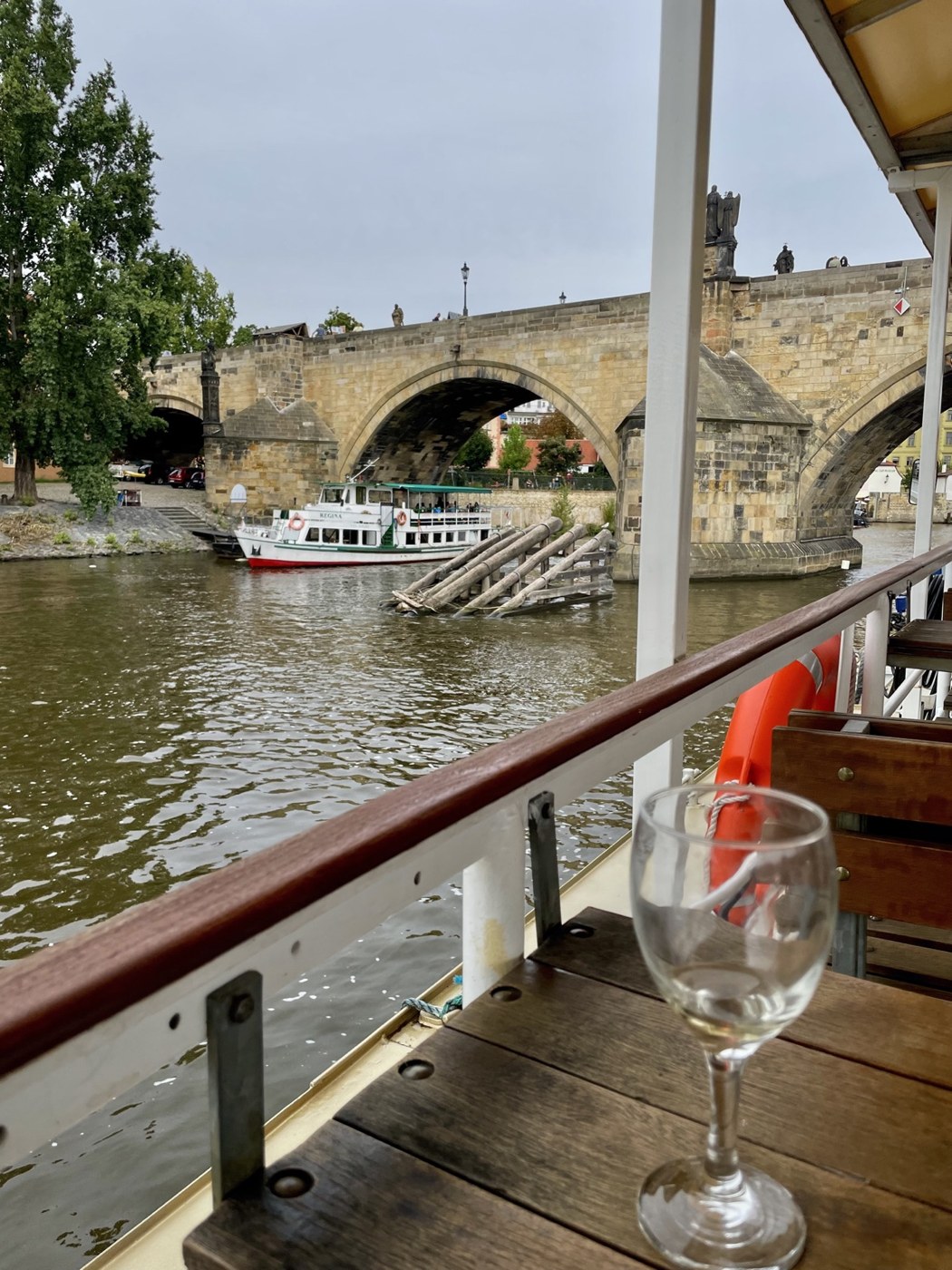
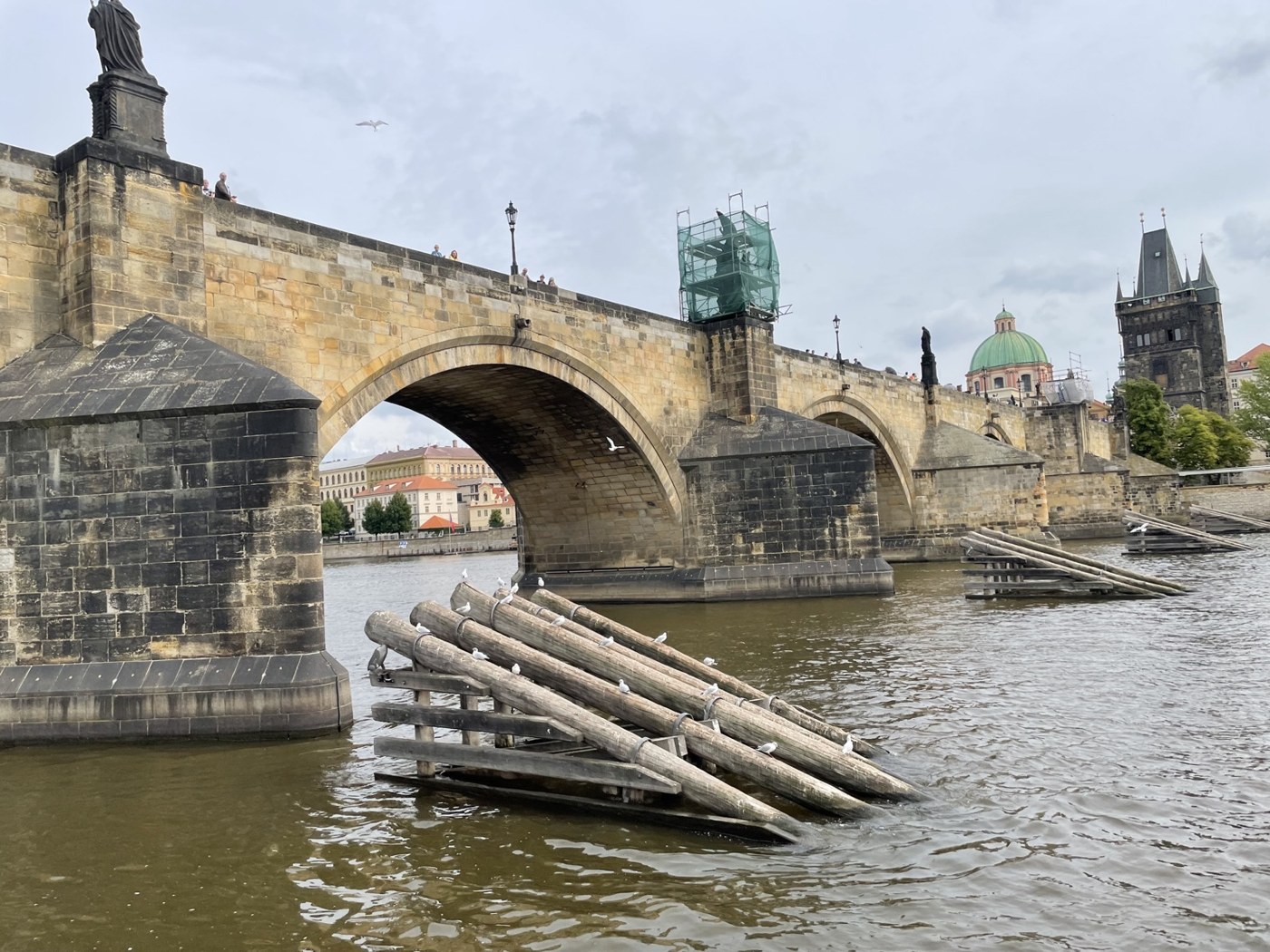
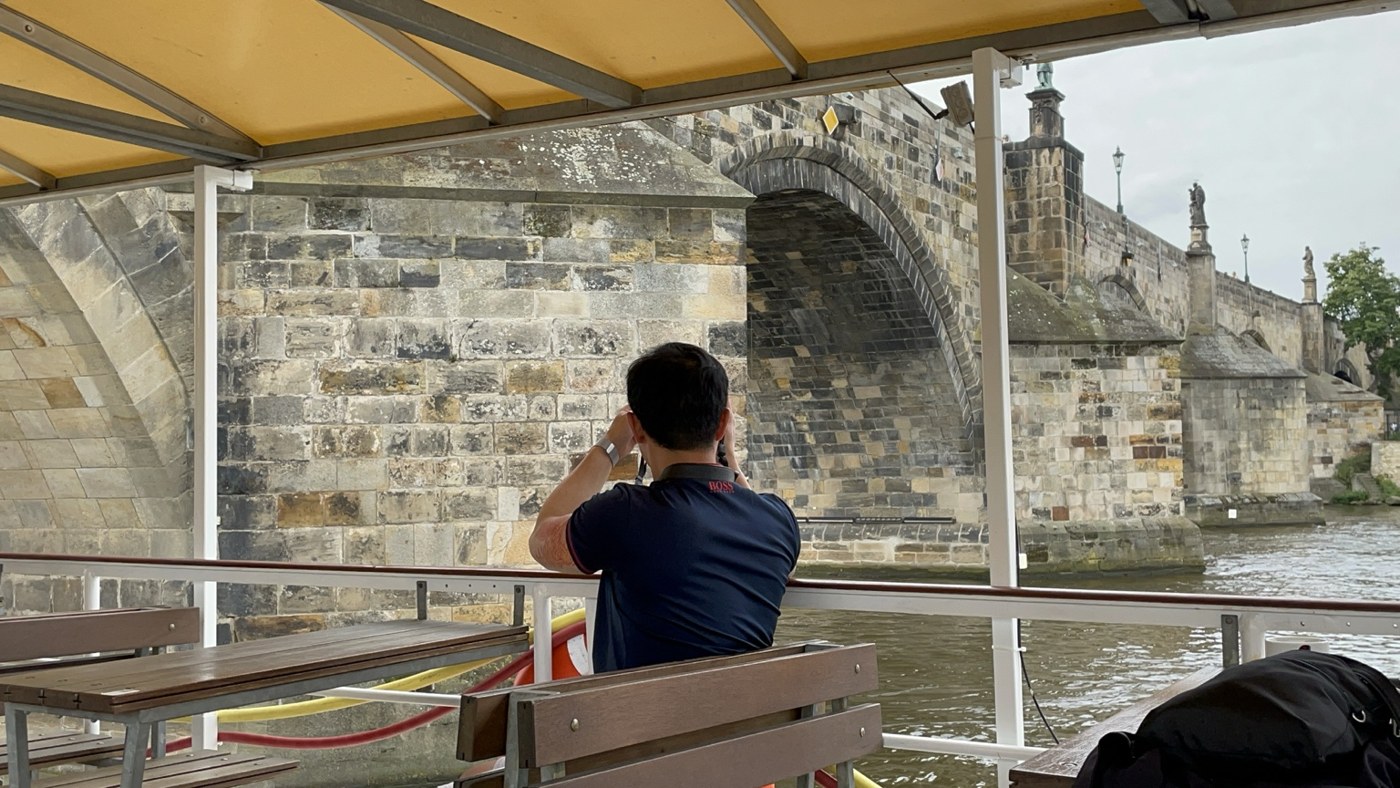
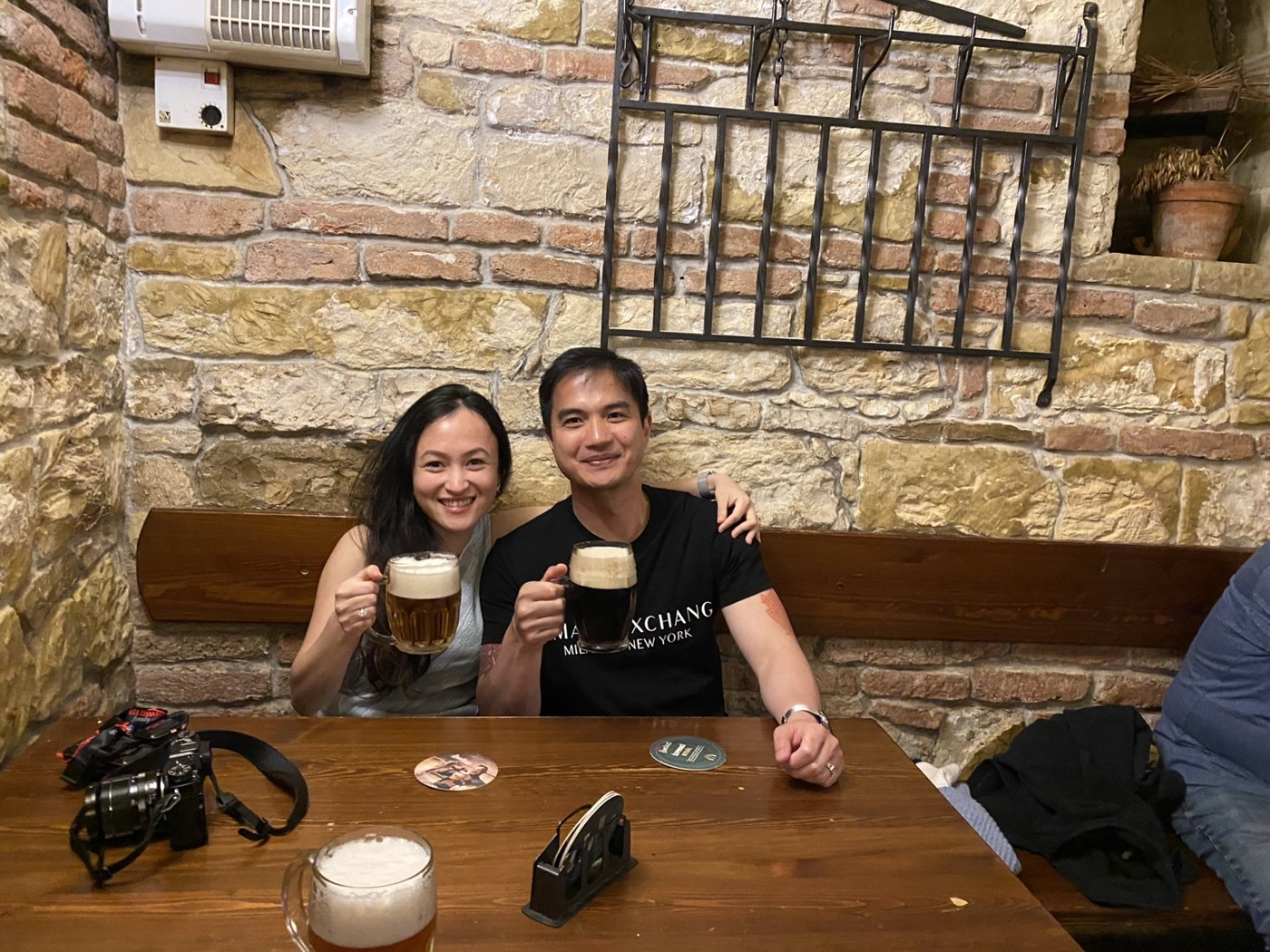
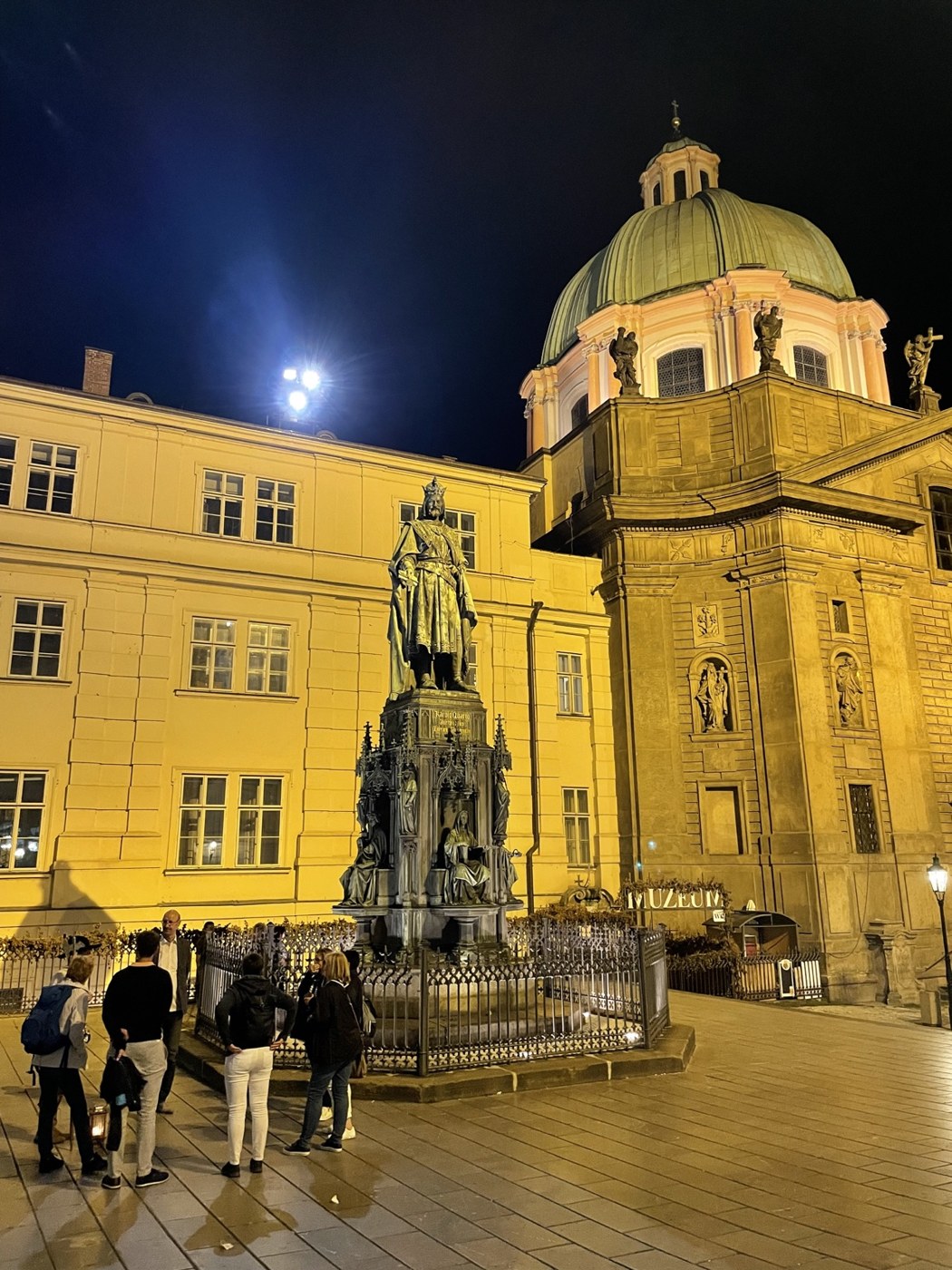
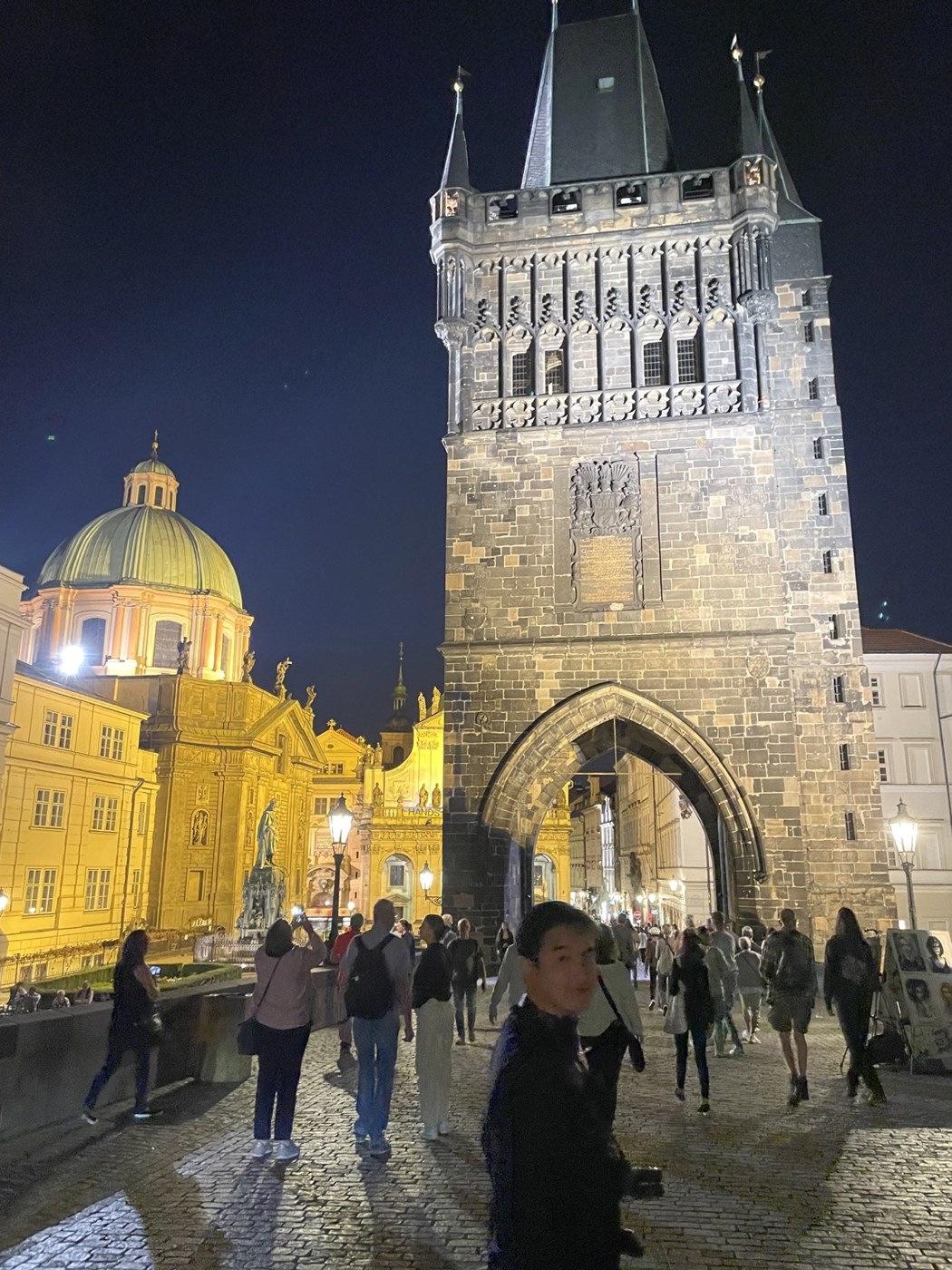
In Prague, we took a cruise on the Vltava, with views of Charles Bridge from the water. Construction of the bridge began in 1357 under Charles IV, and it was completed in 1402. We also followed a recommendation to try the beer, and it was as good as advertised. Later, we walked around Old Town at night, with the historic buildings and bridge tower lit up. Our photos bring together those river views, a beer stop and the city after dark.
Swipe through our photos, or tap a photo to see it in full.
What we explored in Prague
- A cruise on the Vltava: River views of Charles Bridge, with plenty of opportunities for photos from the boat.
- A recommended beer stop: We tried the beer on recommendation and enjoyed it.
- Old Town by night: An evening walk past illuminated buildings, including the Old Town Bridge Tower.
Landmark background: Prague City Tourism: Charles Bridge.
A short stop · Dresden, Germany
Dresden: the history in its stonework.
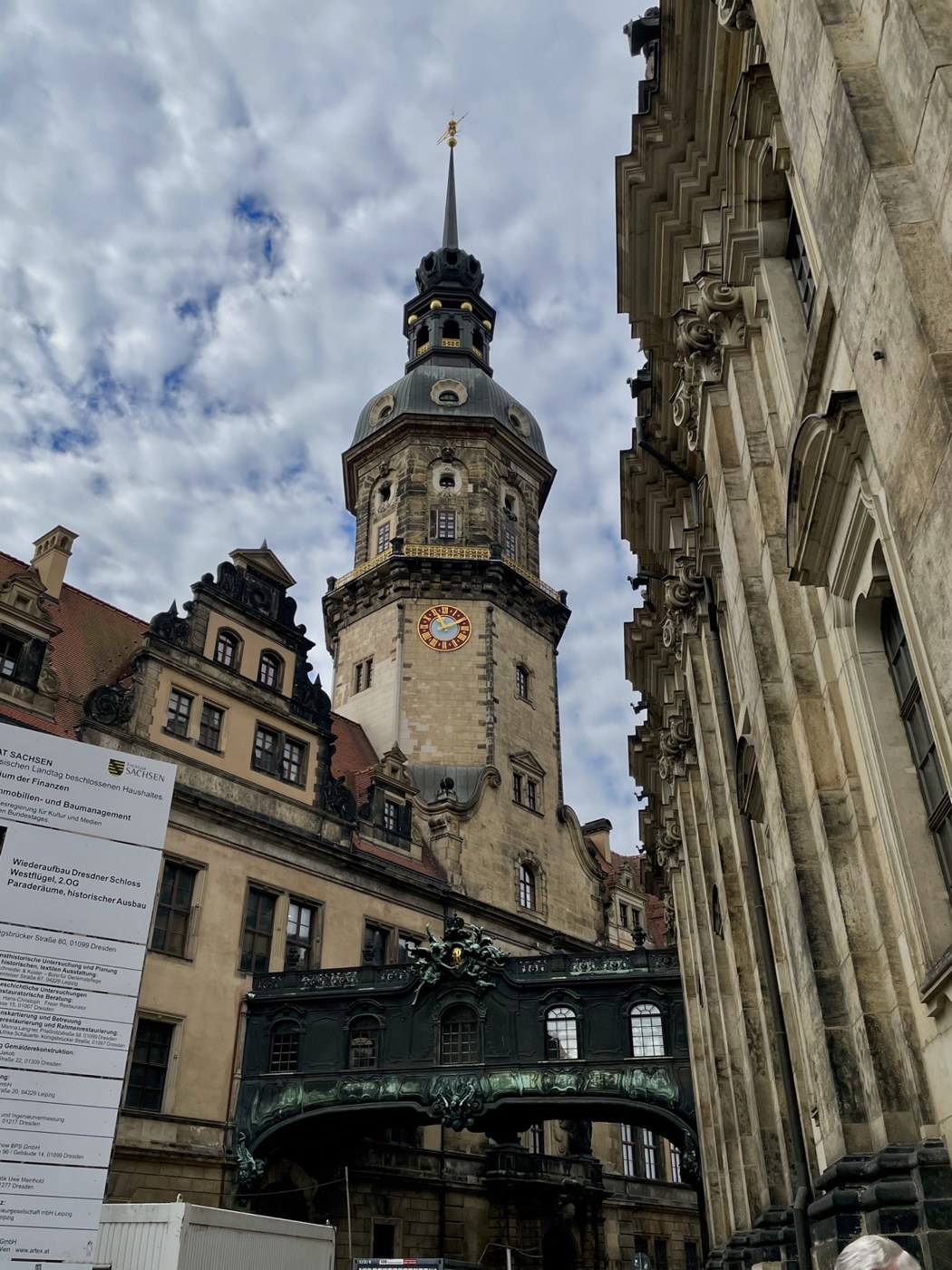
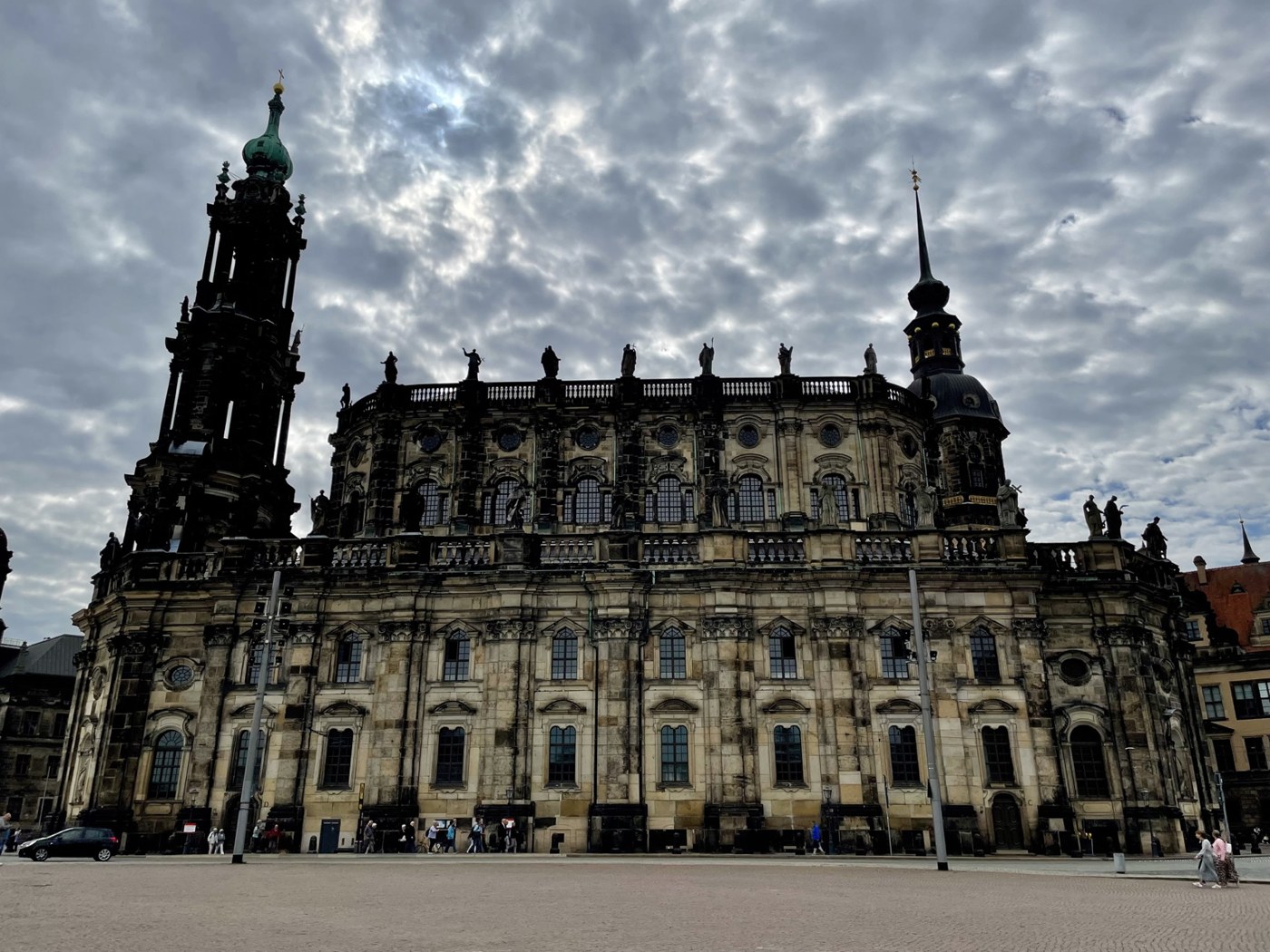
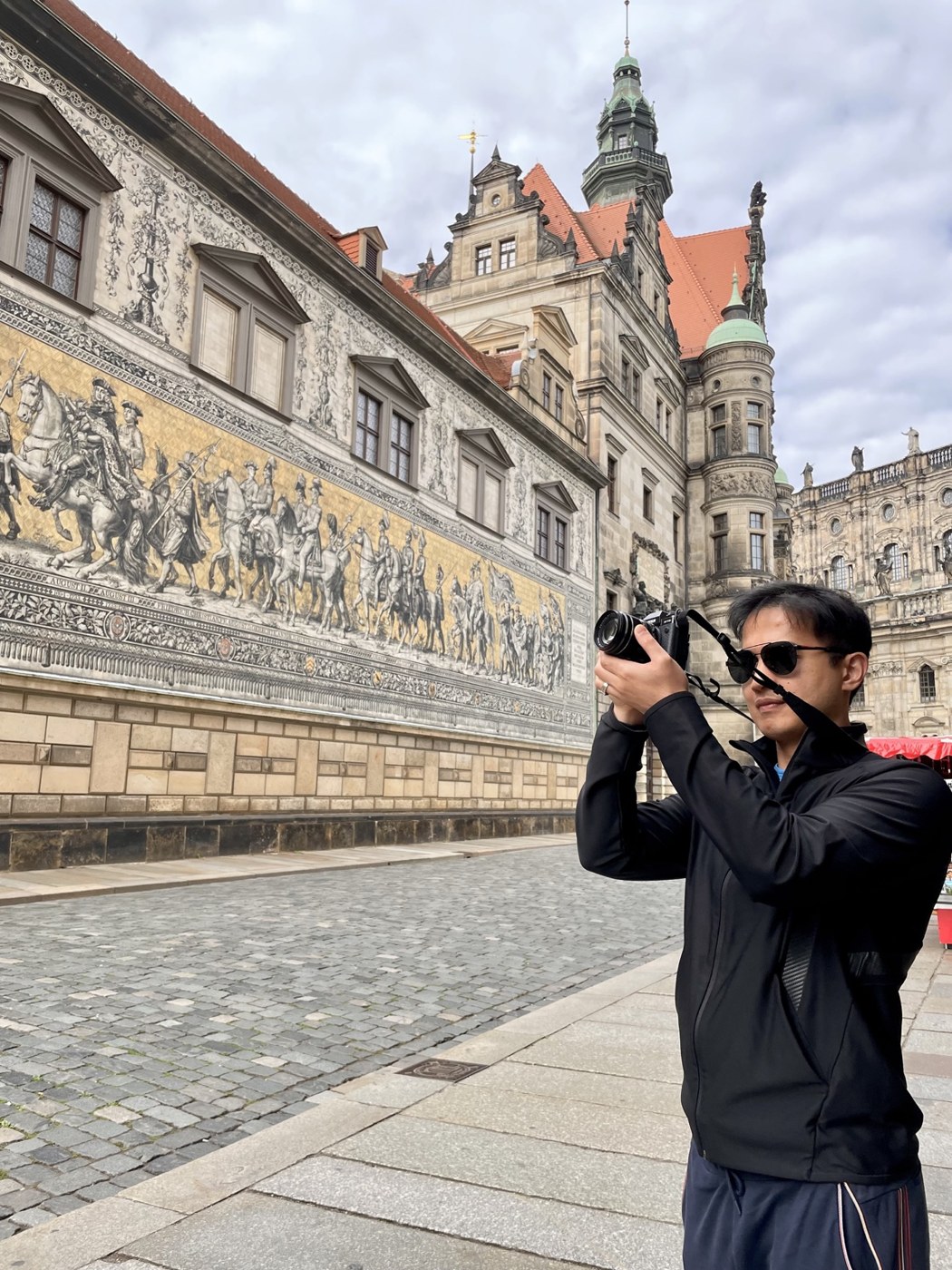
Dresden was a short stop, but the blackened sections of several buildings really stood out to us. Sandstone can develop a dark surface layer called a patina as it ages; in the local stone used for the Frauenkirche, rainwater brings iron minerals to the surface, where they oxidise and darken. That means the colour alone is not evidence of scorching from the war. Dresden nevertheless suffered devastating British and American bombing raids on 13–15 February 1945, which destroyed much of the historic centre. The Frauenkirche, visible behind us in our photo, was rebuilt using recovered dark stones alongside new pale sandstone and reconsecrated in 2005.
Swipe through our photos, or tap a photo to see it in full.
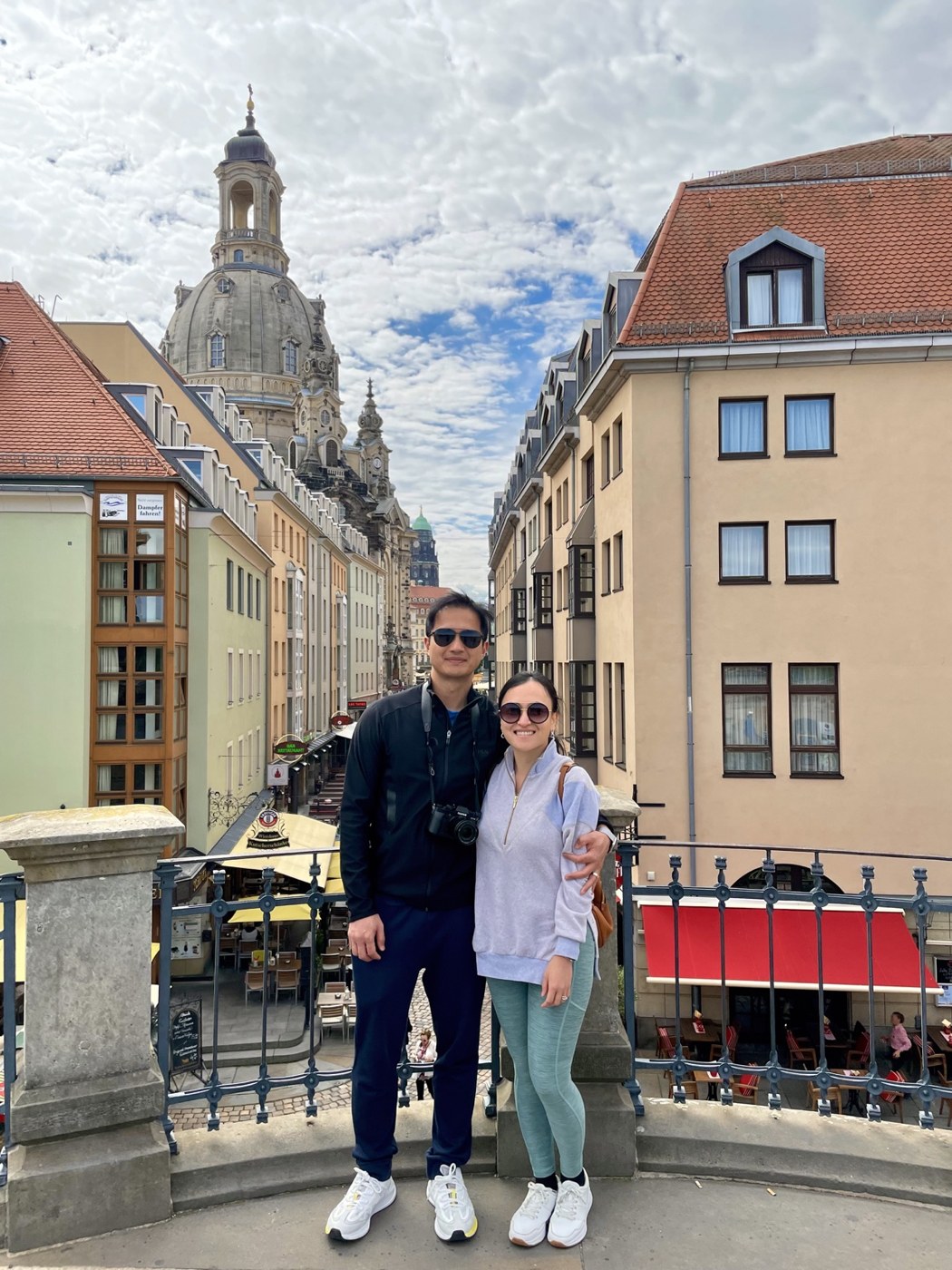
A little more history: dark stone, bombing and rebuilding
- Why the stone looks black: The Frauenkirche’s original façade was already dark with sandstone patina before its destruction. Its present mix of old and new stone makes the reconstruction visible; a photograph alone cannot establish the cause of every dark patch on every building.
- The bombing of Dresden: The February 1945 air raids and resulting fires devastated the city centre and killed up to 25,000 people. They took place in the final months of the Second World War.
- The Frauenkirche: The church survived the initial bombing but collapsed on 15 February after burning out. Its ruins stood for decades as a memorial before reconstruction began in the 1990s.
Historical background: Frauenkirche: old and new stone · church history · MDM Film Commission: sandstone and reconstruction · Dresden Panometer: the air raids.
Our first time with Globus.
We loved this trip. Our tour director, Theo, was helpful, patient and funny, and our driver, Atila, kept us safe over roughly 2,500 kilometres. We were happy with the hotels, too.
The itinerary was packed—in a good way. There were plenty of historical sites, but we still had free time to explore. This film brings together the places we visited and the moments we wanted to remember.
This is our personal travel film, published in January 2023. The route reflects our experience at the time; check the operator and attraction websites for current itineraries, opening hours and prices.
Keep exploring.
Find more first-hand experiences for your next trip.
Explore Europe Browse places & experiences